






Angkor Wat
General |A Journey from Temples to Island Tranquility with JATI
The Gateways of Time
The sun rises slowly over Angkor Wat, casting long shadows of ancient spires across the lotus-filled moat. In the stillness of dawn, the temple awakens—not with noise, but with presence. Its sandstone towers catch the morning light like timeworn sentinels, whispering stories carved into their skin. To walk here, beneath the weight of centuries and the hush of the jungle, is to step into a world suspended between heaven and earth. There’s a hush that lingers in your chest, a quiet invitation to pause, to listen, and to feel the gravity of a place that has watched the sky change a million times and still stands, unmoved. This is not merely a destination; it is a beginning.
Stone Tapestry of Myth and Memory
Each corridor of Angkor Wat unfolds like a sacred manuscript etched in stone. Bas-reliefs stretch endlessly along the galleries, depicting celestial battles, heavenly dancers, and earthly devotions with a precision both divine and deeply human. You trace your fingers over centuries-old carvings, feeling the grooves left by artisans whose names have long since vanished but whose visions endure. The scent of incense lingers in the warm air, mixing with the earthy scent of moss and ancient stone. Every corner hums with mythology—Hindu epics interwoven with Khmer cosmology—reminding you that here, the past is not buried but breathing, alive in shadow and light.
Between Footsteps, Silence
There is a kind of silence found only in places like this—sacred, resonant, not empty but full. As you wander between crumbling pillars and banyan-shaded courtyards, you begin to move slower, more deliberately. The temple doesn't ask questions, but somehow, it answers them. With each step, the noise of everyday life fades—your inbox, your calendar, your deadlines—until all that remains is breath and earth. You realize you are not here to see, but to feel. To remember the parts of yourself left unseen. It’s a quiet unravelling, a return. And though the sun climbs higher, gilding the stone in amber light, time feels as if it has folded in on itself. You are here. Fully.
The Journey Continues — From Temples to Tides
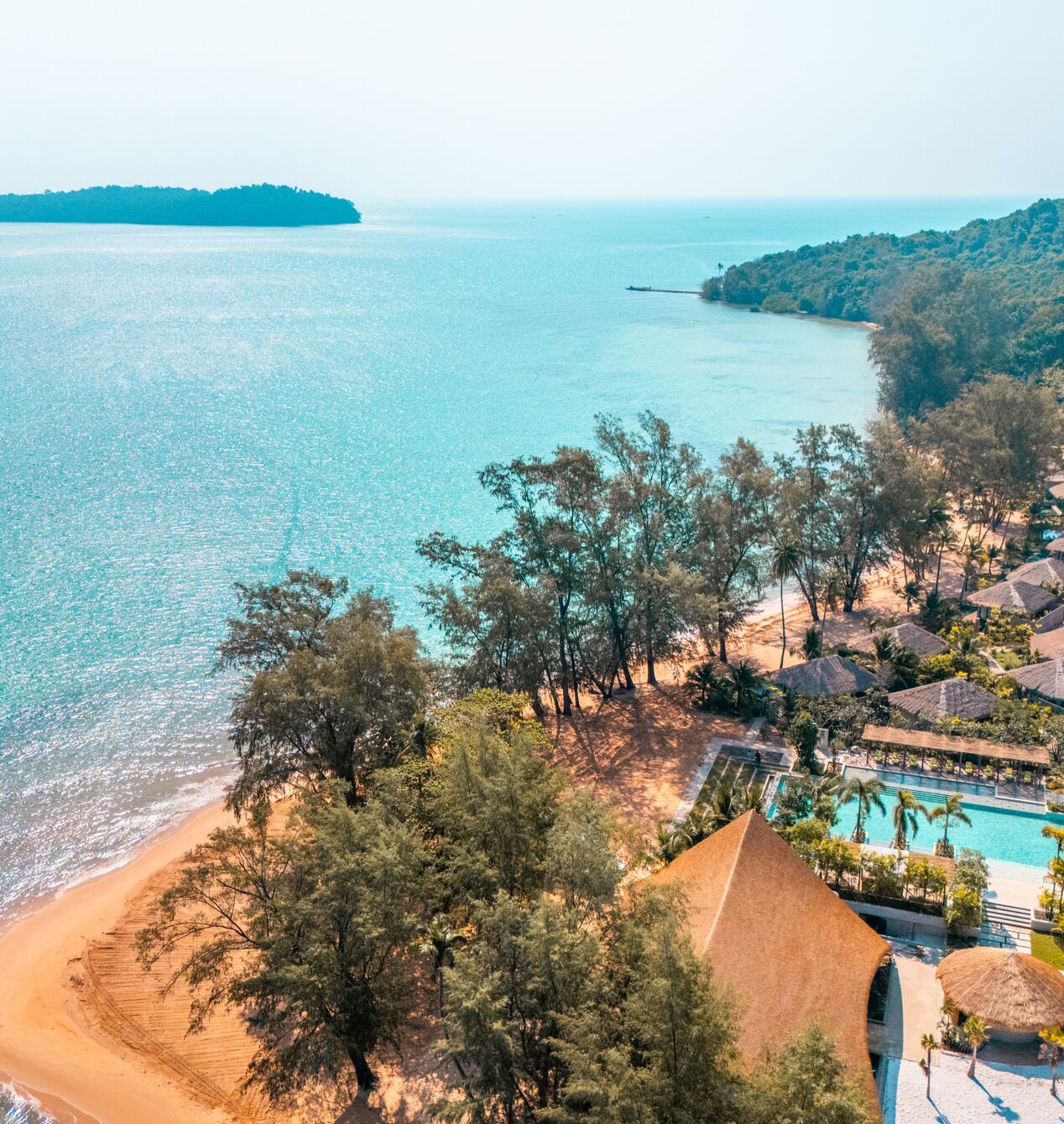
And then, as journeys do, this one shift—not to end, but to evolve. From the solemn majesty of carved towers to the gentle rhythm of waves brushing a distant shore, the path carries you southward, toward a quiet cluster of islands off Cambodia’s coast. Here lies JATI Koh Russey, nestled in a tapestry of jungle and sea. Arrival is soft: a breeze, a welcome smile, a barefoot step onto warm, sunlit sand. The silence is different now—less ancient, more alive. It greets you not with stone but with green, not with grandeur but with grace. If Angkor Wat is where the spirit awakens, then JATI is where it exhales.
Island Whispers — The JATI Experience
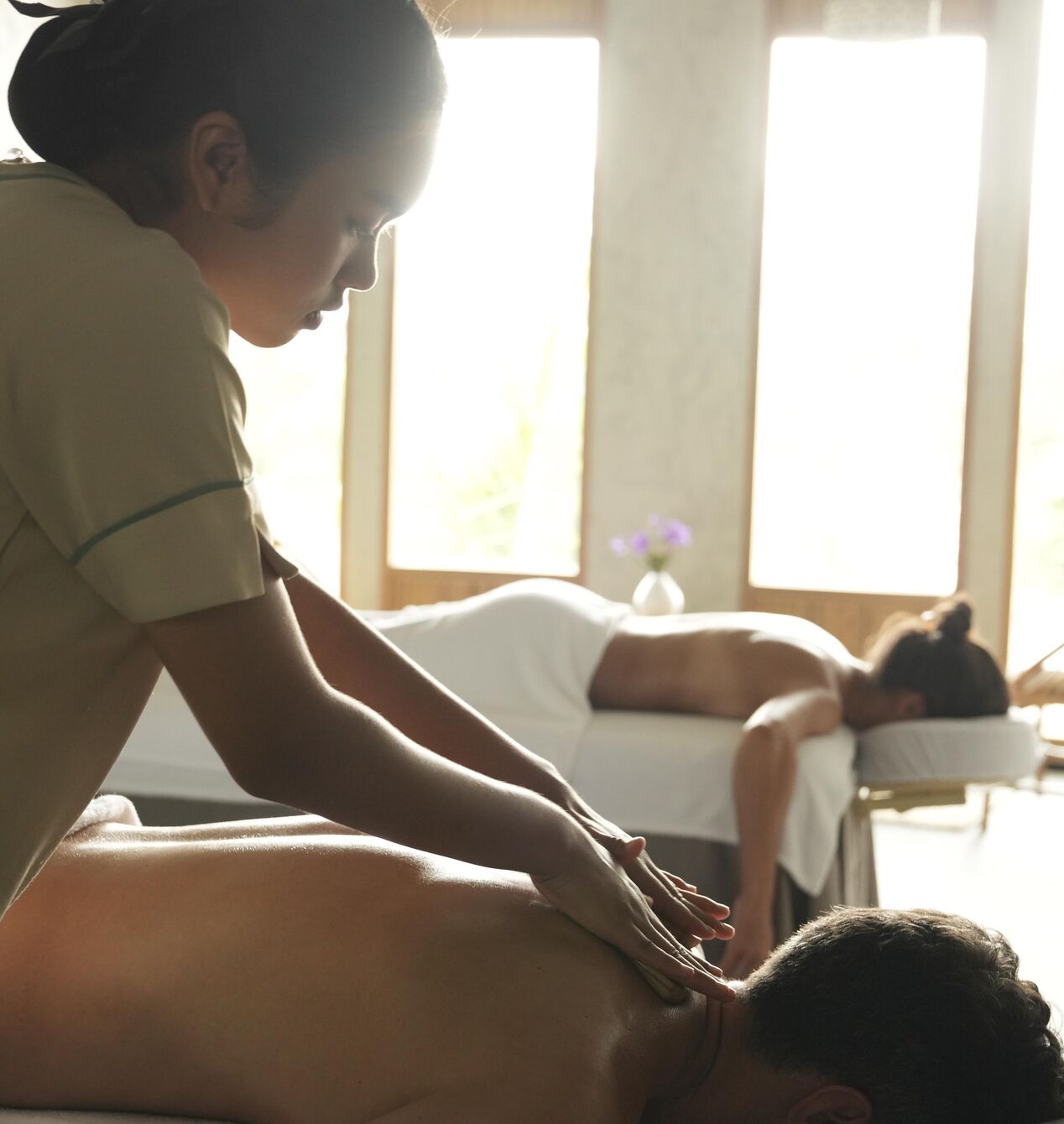
At JATI Koh Russey, life unfurls slowly, like the tide lapping at your villa’s edge. Mornings begin with yoga beneath a canopy of leaves, your breath syncing with the hush of the sea. Afternoons are spent drifting between hammock and pool or paddling along the shoreline where jungle meets water. Meals become rituals—freshly caught seafood grilled with care at the Beach Club, a glass of wine beneath the banyan’s shade, or a quiet dinner delivered to your villa in vibrant tiffin tins. The spa hums with the scent of lemongrass and the rhythm of healing hands. Whether in stillness or motion, each moment here invites you to come back to yourself—not by doing more, but by needing less. This does not escape; it is return.
Reflections Beneath the Stars
Night falls gently over the island. The sea grows darker, its surface mirroring a sky stitched with stars. You sit by a quiet fire, the embers glowing like distant memories, the hush of the waves offering a lullaby older than language. In this moment—surrounded by nature, soothed by solitude—you reflect on where you’ve been. The grandeur of Angkor, the serenity of JATI. Two worlds, each holding a different kind of stillness, yet part of the same story. There is clarity here, not in answers, but in presence. The island does not ask you to forget the temple, only to carry it with you—in your breath, your stillness, your quiet joy.
An Invitation to Begin Again
Some journeys are not meant to be rushed. They unfold like petals, slowly, quietly, until you find yourself changed. From the ancient stones of Angkor Wat to the salt - kissed air of JATI Koh Russey, this path is less about arrival and more about becoming—becoming attuned, becoming aware, becoming whole. If your soul has been whispering for space, for beauty, for something more—perhaps this is the moment to listen. No promises, no agendas. Just an open door, a waiting hammock, a stretch of shoreline that feels like a deep exhale. Come not to escape, but to remember. Your chapter awaits.
FAQs about Angkor Wat
Q1: Where is Angkor Wat located?
A1: Angkor Wat is in Siem Reap, a city in northwestern Cambodia.
Q2: What is Angkor Wat famous for?
A2: It’s the largest religious monument in the world and known for its beautiful temples and ancient carvings.
Q3: Is Angkor Wat still used for religious purposes?
A3: Yes. It started as a Hindu temple and later became a Buddhist site. Monks still worship there today.
Q4: What is the best time to visit Angkor Wat?
A4: Early morning, around sunrise, is best. It’s cooler, quieter, and the light is magical.
Q5: How much time do I need to explore Angkor Wat?
A5: Most visitors spend half a day at the main temple, but you can easily spend 2–3 days exploring the whole Angkor complex.
Q6: What should I wear when visiting Angkor Wat?
A6: Wear clothes that cover your shoulders and knees. It’s a sacred place.
Q7: Do I need a ticket to enter Angkor Wat?
A7: Yes. You need an Angkor Pass, which you can buy for 1, 3, or 7 days.
Q8: Can I visit Angkor Wat without a guide?
A8: Yes, but having a guide helps you understand the history and stories behind the carvings and temples.
Q9: Is Angkor Wat accessible to people with limited mobility?
A9: Some areas have steps and uneven paths, but the main grounds are fairly flat. A guide can help plan easier routes.
Related articles
-

From Russian Market to JATI
General
A bustling Phnom Penh maze of silks, silver, spices and street food—where Cambodia’s daily life, craft and flavour come alive under tin …
-
Khmer Cuisine, Reimagined with JATI
General
Where Every Meal Tells a Story
-
Siem Reap Pub Street
General
Lanterns, Lime & Letting Go on Siem Reap Pub Street – with JATI
-

Top Things to Do in Sihanoukville
General
A Local Guide with JATI
-
Where Night Glows and Islands Breathe
General
Phnom Penh Night Market Meets JATI
-
Lanterns, Spice, and Sea
General
A lantern-lit maze of crafts, flavours, and music in Siem Reap—where Khmer tradition, street food, and night rhythms create an …