


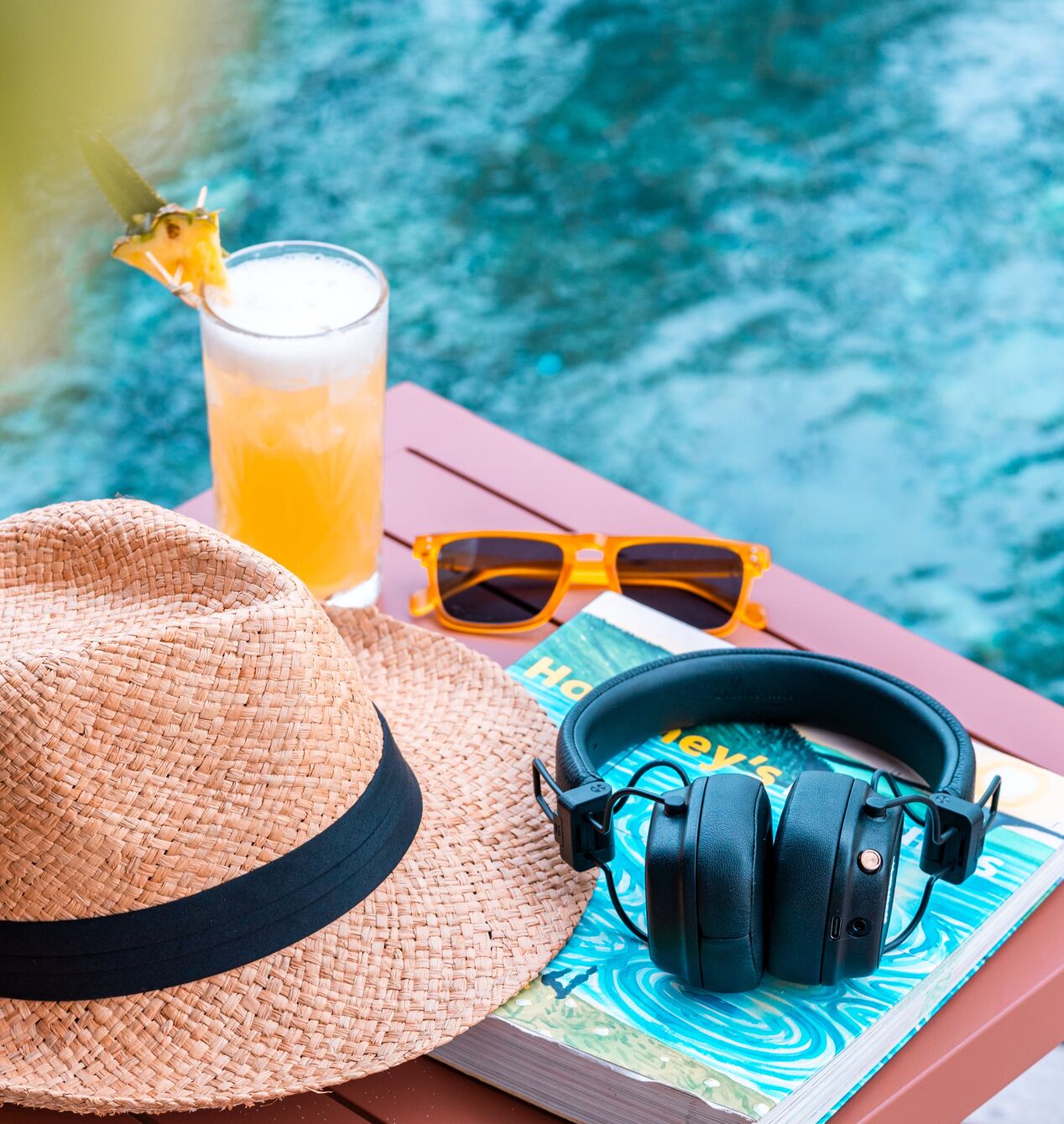

From Russian Market to JATI
General |Where the City Sings and the Island Listens
A Market Like No Other
In the early morning light, Phnom Penh hums awake, and tucked within its pulsing heart, the Russian Market stirs like an old soul breathing through steam and sunlight. Officially named Tuol Tom Poung, this market is no ordinary bazaar—it’s a living, breathing tapestry of memory and momentum. Beneath its weathered tin roof, travelers find not just souvenirs, but stories. The kind etched into handwoven silks, whispered between aisles of incense and oil-stained motor parts, simmering in bubbling pots of morning broth. For those drawn to the spirit of a place—to the sweat and poetry of daily life—this is where Cambodia leans close and lets you listen.
Treasures Beneath Tin Roofs
Wandering through the narrow corridors of the Russian Market is like stepping into a dream stitched together by artisans and storytellers. Stalls burst with color—vibrant textiles swaying like prayer flags, lacquered boxes that gleam in the dim light, silver jewelry etched with ancient patterns. There are curiosities tucked into corners: vintage film cameras, carved Buddhas, repurposed war relics turned into art. Here, time seems to fold in on itself, where the past and present mingle freely. For cultural nomads and quiet collectors, this is not about finding what you need—it’s about uncovering what you didn’t know you were looking for. Each object, each glance exchanged, carries the soft weight of history and the thrill of discovery.
The Allure of Cambodian Craftsmanship
There’s a rhythm to the way hands move here—measured, intentional, and steeped in tradition. Artisans sit behind low tables, their fingers guiding chisels, threads, or brushes with quiet mastery. Silk scarves dyed with natural pigments, hand-thrown ceramics with earthy glazes, and rattan baskets woven with stories of generations—each piece carries the warmth of its maker. This celebration of the handmade echoes the very soul of JATI Koh Russey, where design is never just for show, but a reflection of place, ritual, and care. For those who seek more than beauty—for those who seek meaning in detail—the market offers an intimate dialogue between craftsmanship and culture, a tactile connection to Cambodia’s creative heartbeat.
Street Food and Morning Aromas
Follow the scent trail and it leads you to the heart of the market’s appetite. Skewers crackle over open flames, pots bubble with kuy teav and rice porridge, and fresh herbs pile high like edible bouquets. Every corner simmers with something fragrant—lemongrass, grilled pork, fermented fish sauce folded gently into leafy wraps. The market’s food stalls offer not just meals, but memories in the making—shared tables, chopsticks tapping bowls, the quiet nod of satisfaction between strangers. This love for food, rooted in freshness and local rhythm, finds its island echo at JATI Koh Russey. At the Beach Club, each dish begins with the morning’s catch from neighboring fishermen, brought ashore with the same reverence for season and sea. Whether it’s a humble bowl in Phnom Penh or a barefoot barbecue by the waves, Cambodian cuisine is a celebration—simple, soulful, and deeply shared.
The Heat, the Hustle, the Heartbeat
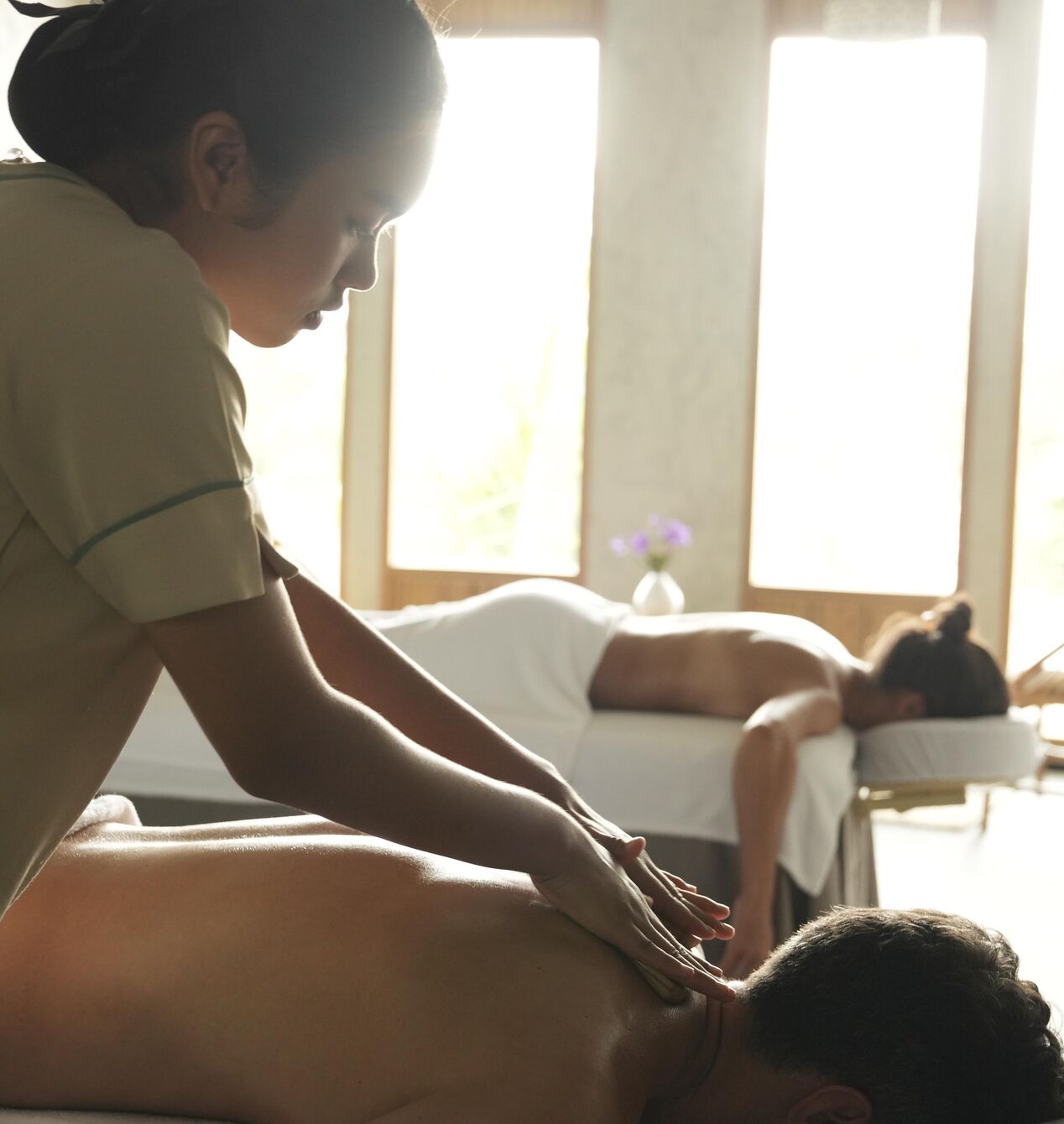
By late morning, the Russian Market becomes a living pulse—fans whirring overhead, voices rising and falling in a blend of Khmer, English, and soft laughter. The air thickens with heat and history, every corner crowded with texture: rusted metal, polished wood, fraying canvas, fragrant herbs. It’s beautiful chaos—raw, unfiltered, real. For the curious traveler, this sensory overload is exhilarating, a mirror to the country’s vibrant contrasts. Yet even the most spirited adventurer needs pause. That pause awaits far south, where JATI Koh Russey sits cradled by the sea within a group of untouched islands. There, beneath palm shadows and the hush of waves, you’ll find stillness: the cool hush of a bamboo spa, the healing quiet of yoga at dawn, the gentle embrace of sea breeze against sun-warmed skin. What begins as sensory adventure in the city finds balance in JATI’s slower, salt-kissed rhythm.
Beyond the Market: A Cultural Crossroad
Despite its nickname, the Russian Market isn’t Russian at all—its name a remnant from the 1980s, when Soviet expats made it their go-to place for foreign goods. Today, it stands as something richer: a convergence of Cambodia’s layered past and its vibrant present. Amid the buzz of trade and tuk-tuks, you’ll find a city learning how to honor its roots while reaching for something new. Traditional fabrics share shelf space with trendy cafés; ancient remedies sit beside artisan soaps. This duality, this ability to hold both reverence and reinvention, is what makes Phnom Penh so captivating. It’s also what draws many travelers toward the island sanctuaries beyond the city—places like JATI Koh Russey, where heritage is honored not in preservation alone, but in thoughtful evolution.
JATI Koh Russey: A Natural Contrast
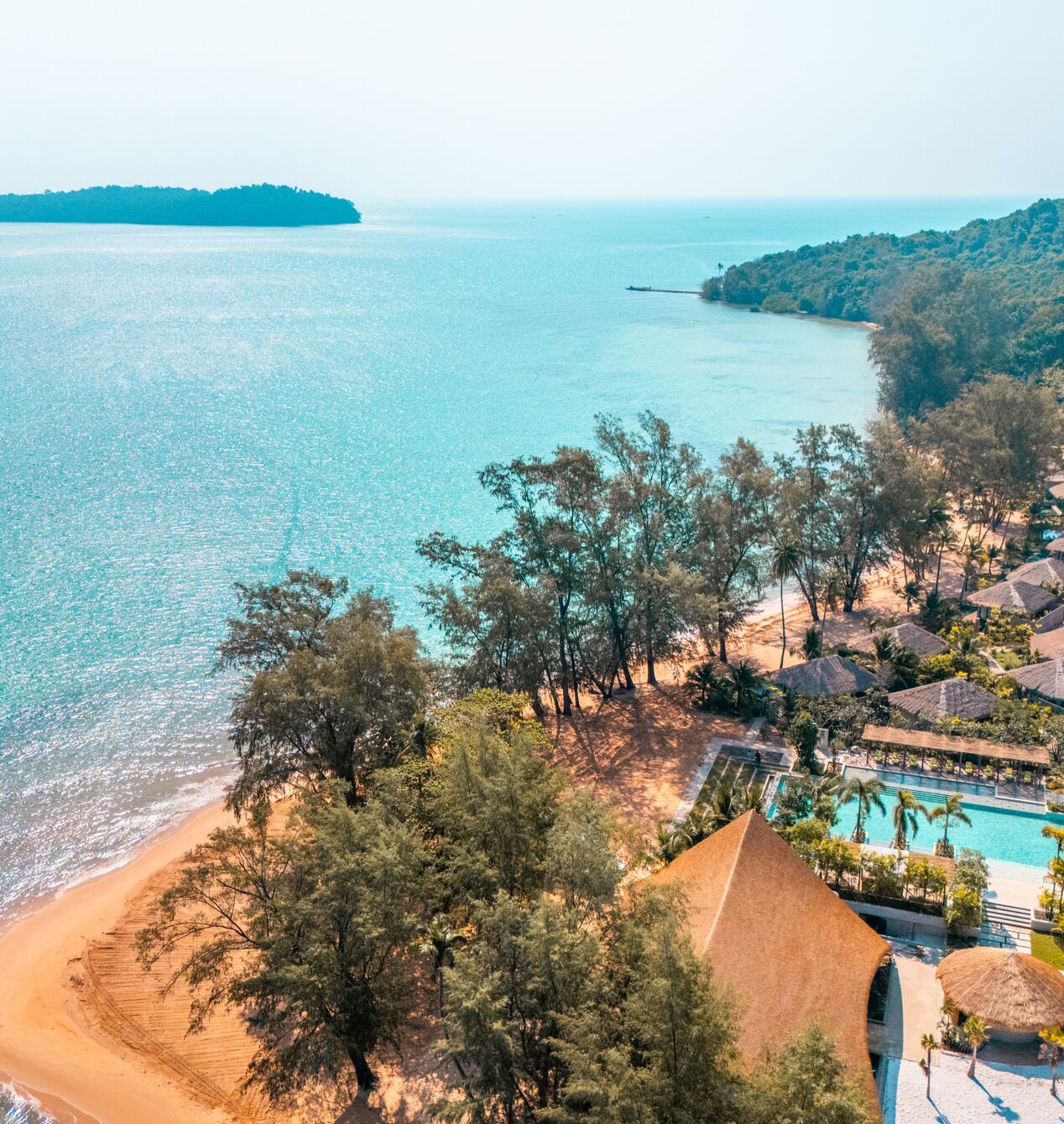
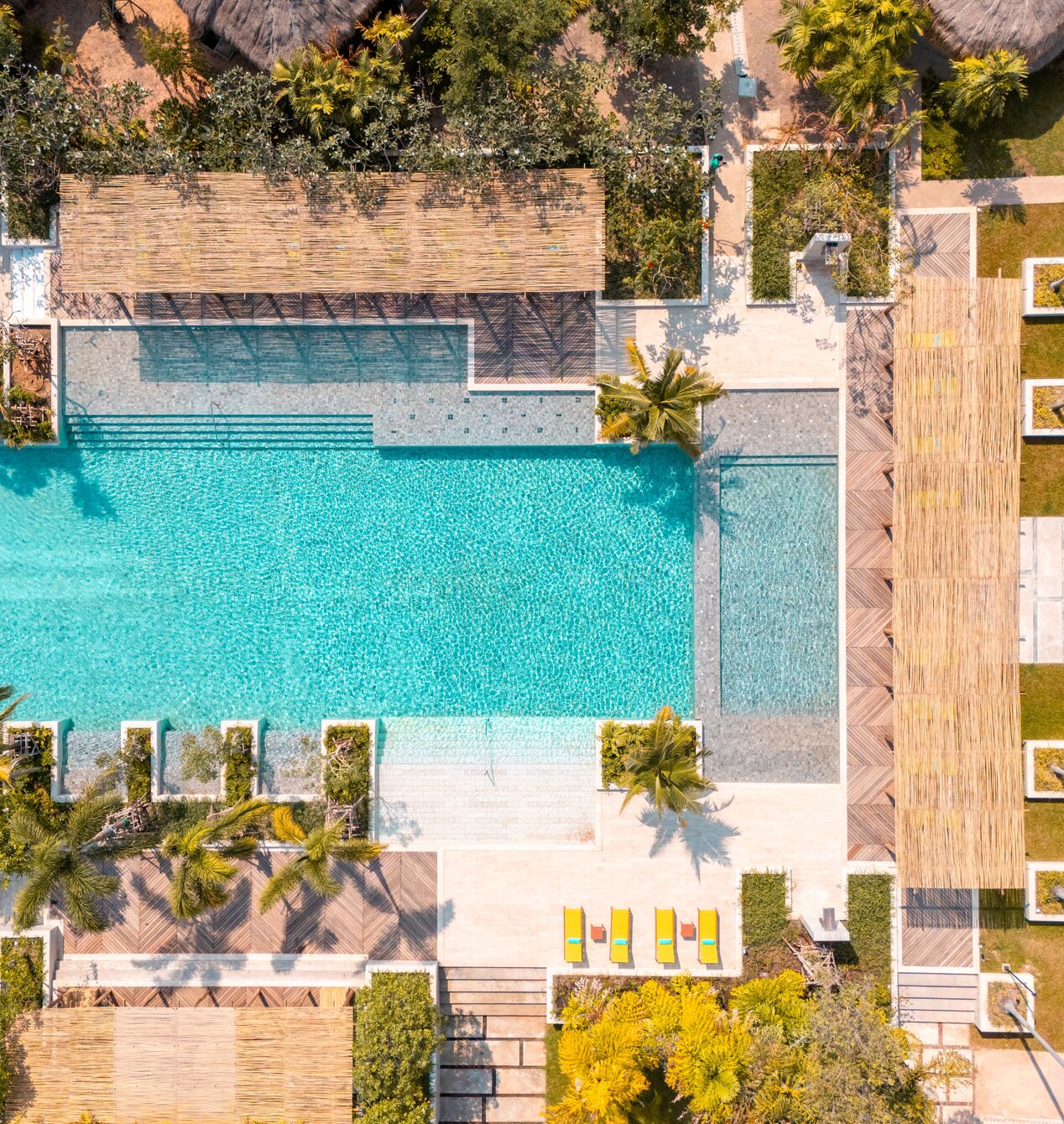
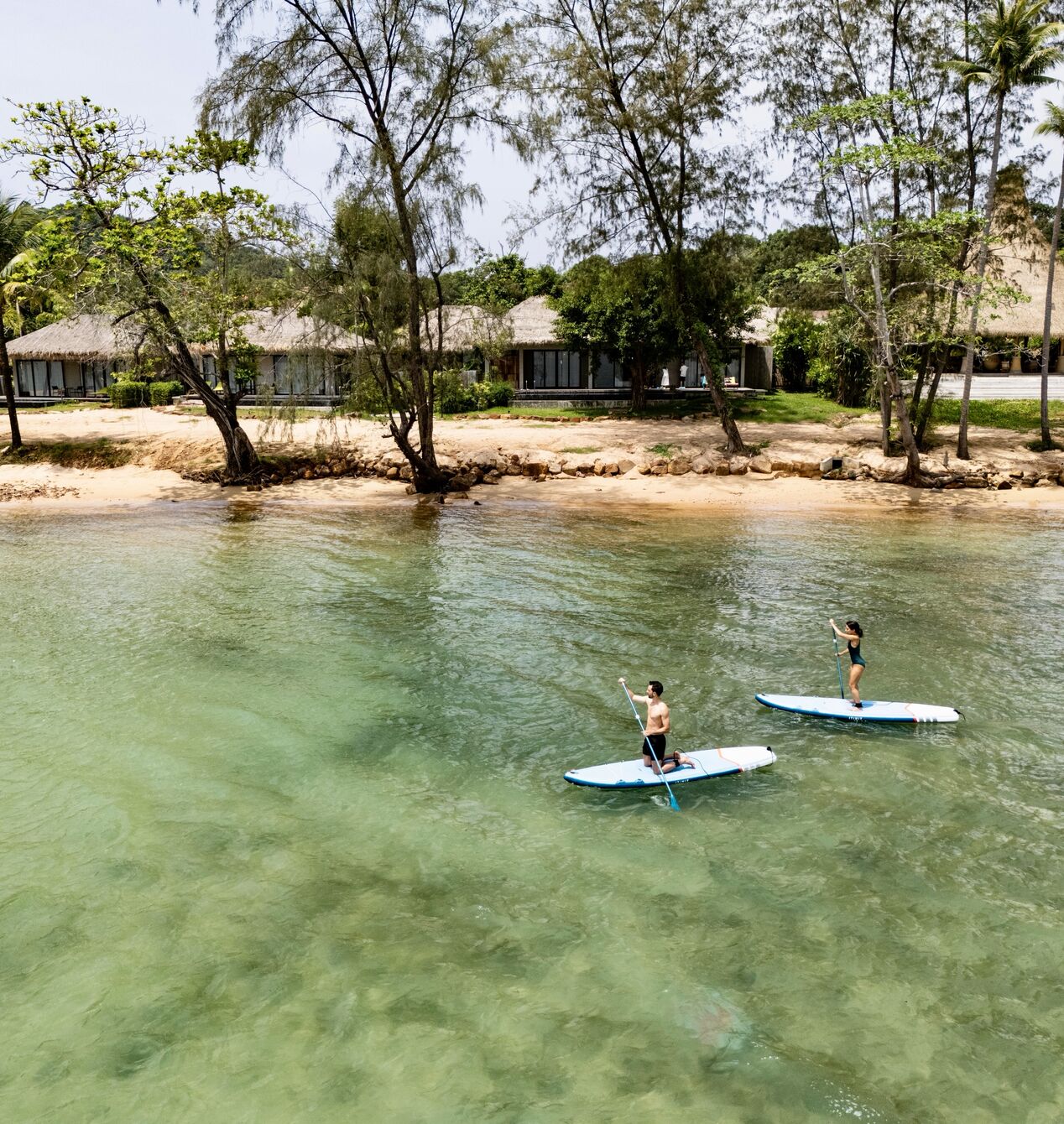
After the vivid tapestry of Phnom Penh, the journey to JATI Koh Russey feels like a gentle exhale. Tucked within a quiet group of islands off Cambodia’s southern coast, JATI is a retreat shaped by silence and sea. Here, villas are framed by jungle green or set along white sand shores, designed not to impress but to soothe. The rhythm slows—meals linger, footsteps soften, and days unfold like a lullaby. For those who have wandered the spirited paths of the Russian Market, JATI offers not an escape, but a return—to breath, to stillness, to self. It’s a space where curiosity can rest and inspiration can rise, where the city’s energy dissolves into the calm sway of island time.
From Market Strolls to Island Stillness
There’s a certain beauty in pairing opposites—the buzz of a market with the hush of an island, the scent of grilled pork with the salt-kissed breeze of the sea. Travelers who move from the tangled aisles of the Russian Market to the open horizons of JATI Koh Russey carry with them more than just souvenirs. They bring stories, textures, and the glow of discovery. And in return, the island offers them space to reflect, to reconnect, to begin again. So let your days begin with wandering and end with waves. Let the city stir your senses, and the island soothe your soul. Between the two, a journey unfolds—one rich with contrast, and deeply, unmistakably Cambodian.
FAQs about Russian Market in Phnom Penh
Q1: What is the Russian Market?
A1: The Russian Market, also called Tuol Tom Poung Market, is a busy local market in Phnom Penh known for souvenirs, clothes, food, and handmade crafts.
Q2: Why is it called the Russian Market?
A2: It got the nickname in the 1980s when many Russian expats shopped there, though it's not a Russian-style market.
Q3: Where is the Russian Market located?
A3: It's in the Tuol Tom Poung area of Phnom Penh, on Street 155 near Mao Tse Toung Boulevard (see on Google Maps)
Q4: What can I buy at the Russian Market?
A4: You can find clothes, handmade jewelry, silk scarves, carvings, souvenirs, antiques, and fresh local food.
Q5: What time does the market open?
A5: The market usually opens from 6:00 AM to 5:00 PM every day.
Q6: Is it a good place to eat?
A6: Yes, there are many food stalls with local dishes like noodles, rice soups, grilled meats, and fruit shakes.
Q7: Is it easy to get to the Russian Market?
A7: Yes, you can take a tuk-tuk or taxi from anywhere in Phnom Penh. It’s a popular stop for visitors.
Q8: Do vendors speak English?
A8: Some do, especially in the tourist areas, but not all. Basic English and hand signals usually work.
Q9: Can I bargain at the Russian Market?
A9: Yes, bargaining is common. Prices are often negotiable, especially for souvenirs and clothes.
Q10: Is the market suitable for children?
A10: It can be crowded and hot, but older children may enjoy exploring. Just keep an eye on younger ones.
Related articles
-
Khmer Cuisine, Reimagined with JATI
General
Where Every Meal Tells a Story
-
Siem Reap Pub Street
General
Lanterns, Lime & Letting Go on Siem Reap Pub Street – with JATI
-

Top Things to Do in Sihanoukville
General
A Local Guide with JATI
-
Where Night Glows and Islands Breathe
General
Phnom Penh Night Market Meets JATI
-
Lanterns, Spice, and Sea
General
A lantern-lit maze of crafts, flavours, and music in Siem Reap—where Khmer tradition, street food, and night rhythms create an …
-
Markets and Moments
General
Discovering Samaki’s Pulse, Remembered at JATI