


Gold Domes & Ocean Dreams
General |Central Market to JATI’s Island Quiet
Arrival in the Pulse of Phnom Penh
Beneath a golden dome that blooms like a lotus at the heart of Phnom Penh, the Central Market greets you not with grandeur, but with life. It hums and breathes in rhythm—vendors calling out prices in sing-song Khmer, the clink of silver bangles, the hiss of grills, the rustle of silk scarves catching sunlight as they flutter in the breeze. The scent of jasmine garlands mingles with freshly cut tropical fruit and roasted peanuts, wrapping the senses in a warm, intoxicating welcome. You’re not just entering a market; you’re stepping into a living mosaic of Cambodia—raw, radiant, and pulsing with human connection. Here, nothing feels staged. Everything is in motion, layered in color, voice, texture. It’s a place where strangers become storytellers and every corner seems to whisper, “Stay a little longer.”
History Carved in Yellow
The Central Market, or ‘Phsar Thmei’ as the locals call it, has stood proudly since 1937, a beacon of Phnom Penh’s colonial past wrapped in the curves of Art Deco ambition. Its sunburst dome, painted a soft, buttery yellow, was once the largest of its kind in Asia—designed by French architects, yet beating with a Cambodian heart. This is more than architecture; it’s a symbol of resilience, having weathered storms of history, from occupation to reinvention, always returning to life. Beneath its geometric lines and airy halls lies the continuity of everyday trade—flower-sellers arranging blooms for morning prayers, goldsmiths weighing heirlooms passed through generations. To walk these tiled paths is to brush against stories that span decades, a quiet reminder that even in a fast-moving world, some places still hold time with open arms.
What to Find Among the Stalls
Step beneath the dome and let curiosity lead—past pyramids of dragon fruit glowing like lanterns, through lanes strung with silk scarves in every hue of sunrise, toward the shimmer of silver and gold that dances under bare bulbs. The Central Market is a treasure map without a compass, where each turn reveals something unexpected: hand-carved Buddhas, retro watches ticking quietly, embroidered pouches stitched by unseen hands. Here, shopping feels more like storytelling. The merchant who folds your krama scarf might share where the cotton was dyed. The jeweler polishing
a gemstone may recall the mine it came from. Even the simplest trinket holds a thread of Cambodia’s spirit. And while prices are gently bargained, the real value lies in what you carry home—not just an object, but a piece of someone’s world, offered with open palms and an easy smile.
The Scent of Khmer Cuisine
Wander farther, and the air thickens with a delicious haze—lemongrass, coconut milk, smoky charcoal, and a hint of fermented fish sauce that signals something deeply, deliciously local. At the heart of Central Market, food isn’t just nourishment—it’s an invitation. Try a steaming bowl of ‘nom banh chok’, Khmer noodles tangled with herbs and green curry. Bite into grilled skewers lacquered in palm sugar, their sweet char clinging to your fingertips. Cool down with a young coconut split open on the spot, the water inside tasting like soft rain. Everything is fresh, bold, and unapologetically rooted. And it’s this celebration of daily harvests that echoes all the way south to JATI Koh Russey. There, at the Beach Club, mornings begin with the island’s own fishermen delivering their catch to Chef Puthea and his team, who turn each fish into a love letter to Khmer flavors. Whether you’re in the city’s bustle or by the sea’s edge, the soul of Cambodian cuisine remains—wild, generous, and steeped in story.
The People Who Make It Breathe
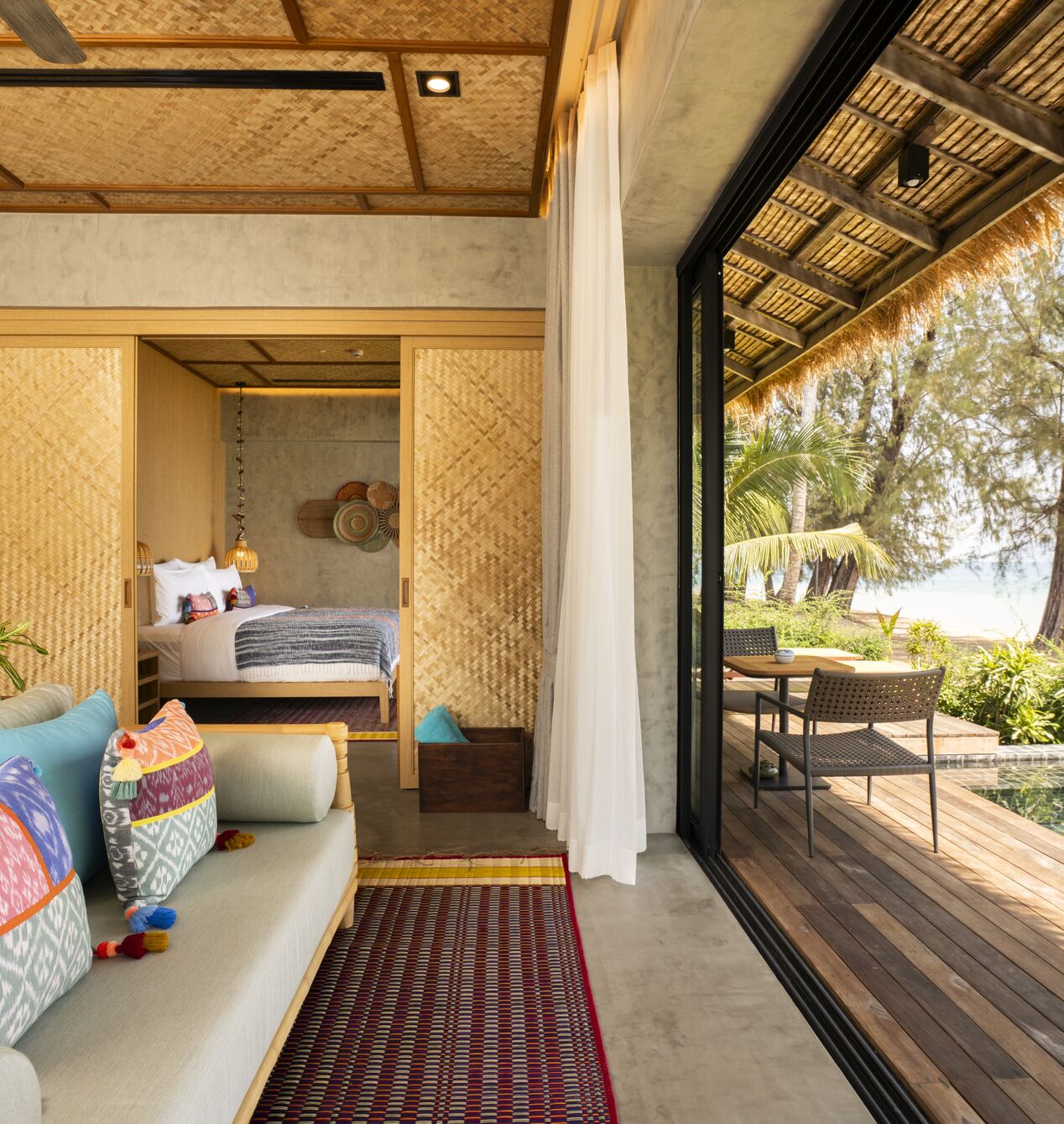
Beyond the goods and flavors, it’s the people who shape the Central Market into something unforgettable. Aunties with flower-woven hats who greet you with gentle teasing. Teens helping out before school, weighing mangoes with practiced hands. Elder craftsmen hunched over their stalls, polishing trinkets with quiet pride. Here, the pace of life may be brisk, but the connections feel unhurried. A moment of eye contact, a shared laugh over mispronounced Khmer, a small gift slipped into your bag “for good luck”—these are the real souvenirs. Everyone you meet holds a fragment of the market’s soul, and they give it freely, without pretense. It’s the same spirit you’ll feel at JATI Koh Russey, where service isn’t scripted—it’s felt. Staff remember your name, your favorite drink, the way you like your eggs. Whether in the warmth of a Phnom Penh smile or the care of a sunset cocktail delivered to your villa, what lingers most is the sense of being genuinely seen.
From Market Rhythms to Island Whispers
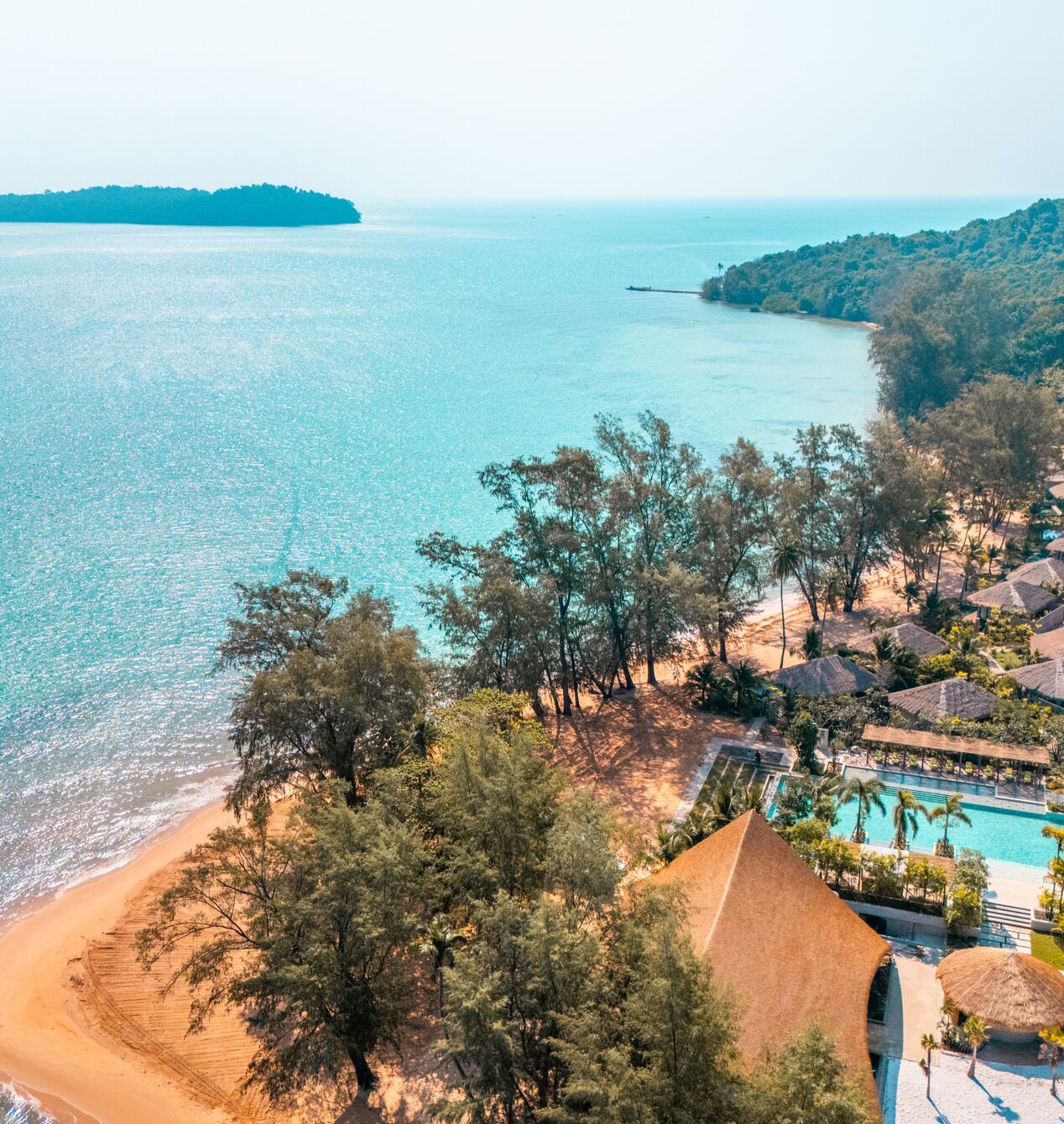
Leaving the market, the city begins to soften. The hum of tuk-tuks fades into the rustle of roadside trees, and your hands—still scented with grilled banana and lemongrass—rest quietly in your lap. There’s a hush that follows you as the road turns south, a silence filled not with emptiness but with possibility. Soon, the mainland gives way to sea, and a sleek boat slips across gentle waves toward a hidden sanctuary: JATI Koh Russey. Cradled within a cluster of islands off Cambodia’s southern coast, JATI awaits not as a destination, but a shift in rhythm. Where once your senses were saturated with color and sound, now they are invited to rest, to unfurl. The market offered the energy of many lives interwoven; JATI offers space to return to your own breath. The journey between the two isn’t just a change in scenery—it’s a quiet exhale into presence.
Embrace Stillness, Reawaken Senses
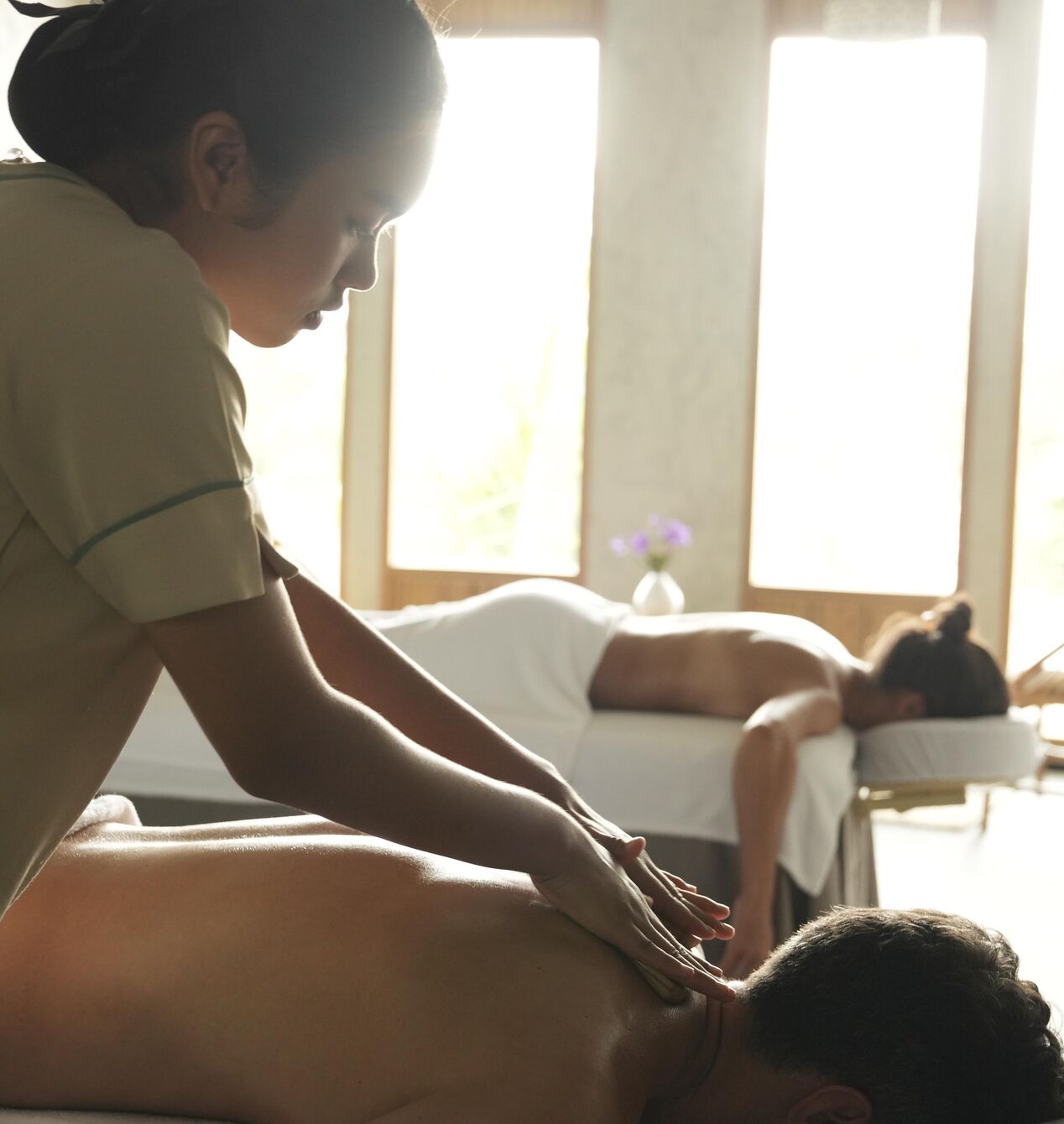
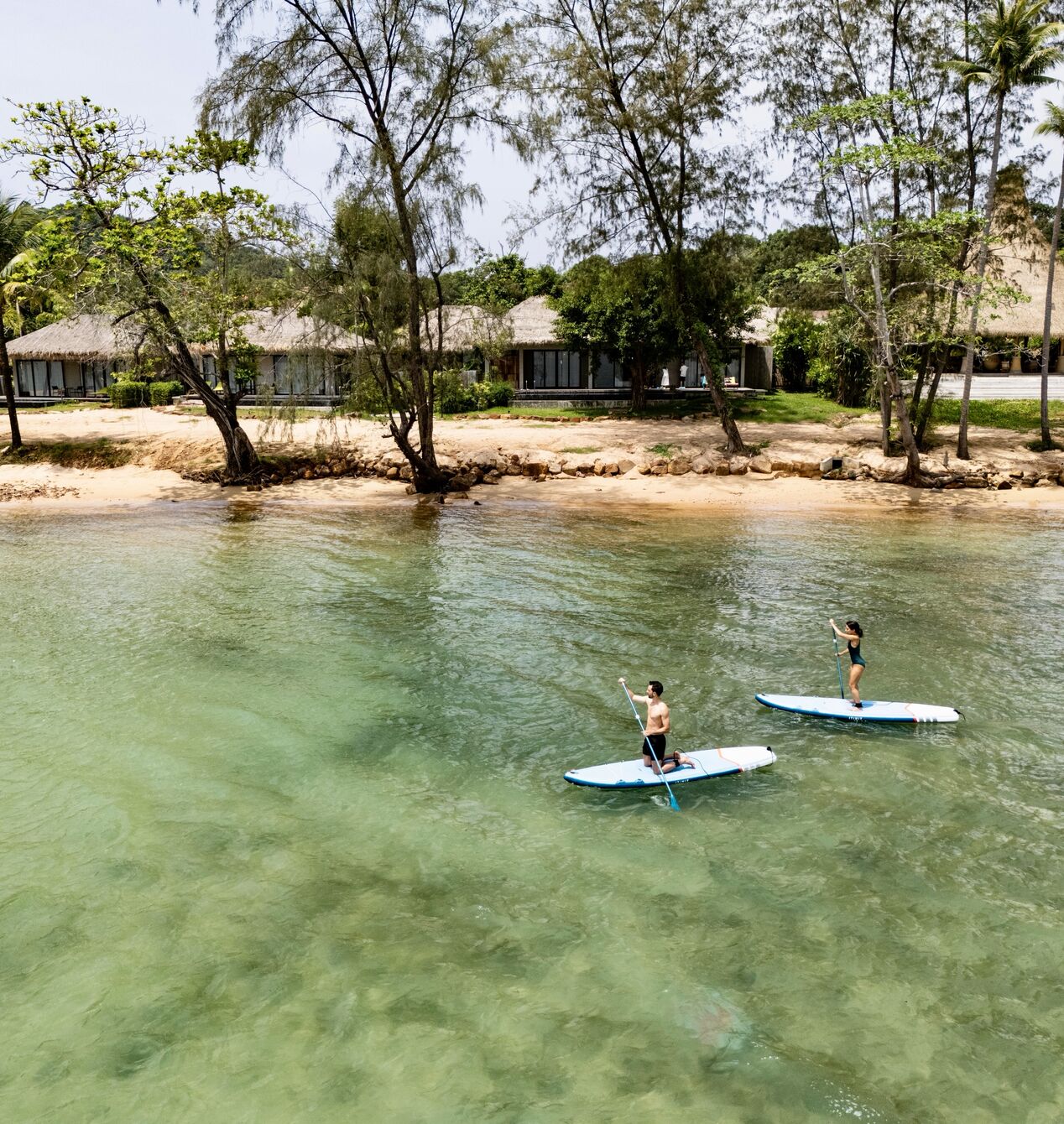
At JATI Koh Russey, the silence is never empty—it’s full of life quietly unfolding. Mornings begin with the soft stretch of yoga beneath rustling palms, the scent of sea salt clinging to your skin. You might wander barefoot to Arun for breakfast, where tropical fruit glows like stained glass on ceramic plates and coffee is poured slowly, with care. Later, the day might carry you to the water’s edge for paddleboarding, or into the embrace of the Bamboo Spa, where Khmer-inspired hands ease away what no longer serves you. Evenings drift in with the hush of waves and the glow of lanterns, your meal caught just that morning, kissed by flame at the Beach Club. For
families, the Seahorse Kids Club gives little ones their own magic, so grown-ups can rediscover what it feels like to pause. After the market’s vibrant dance, JATI is a gentle return to self—a space where each moment invites you to feel, taste, and breathe more deeply.
A Journey Etched in Memory
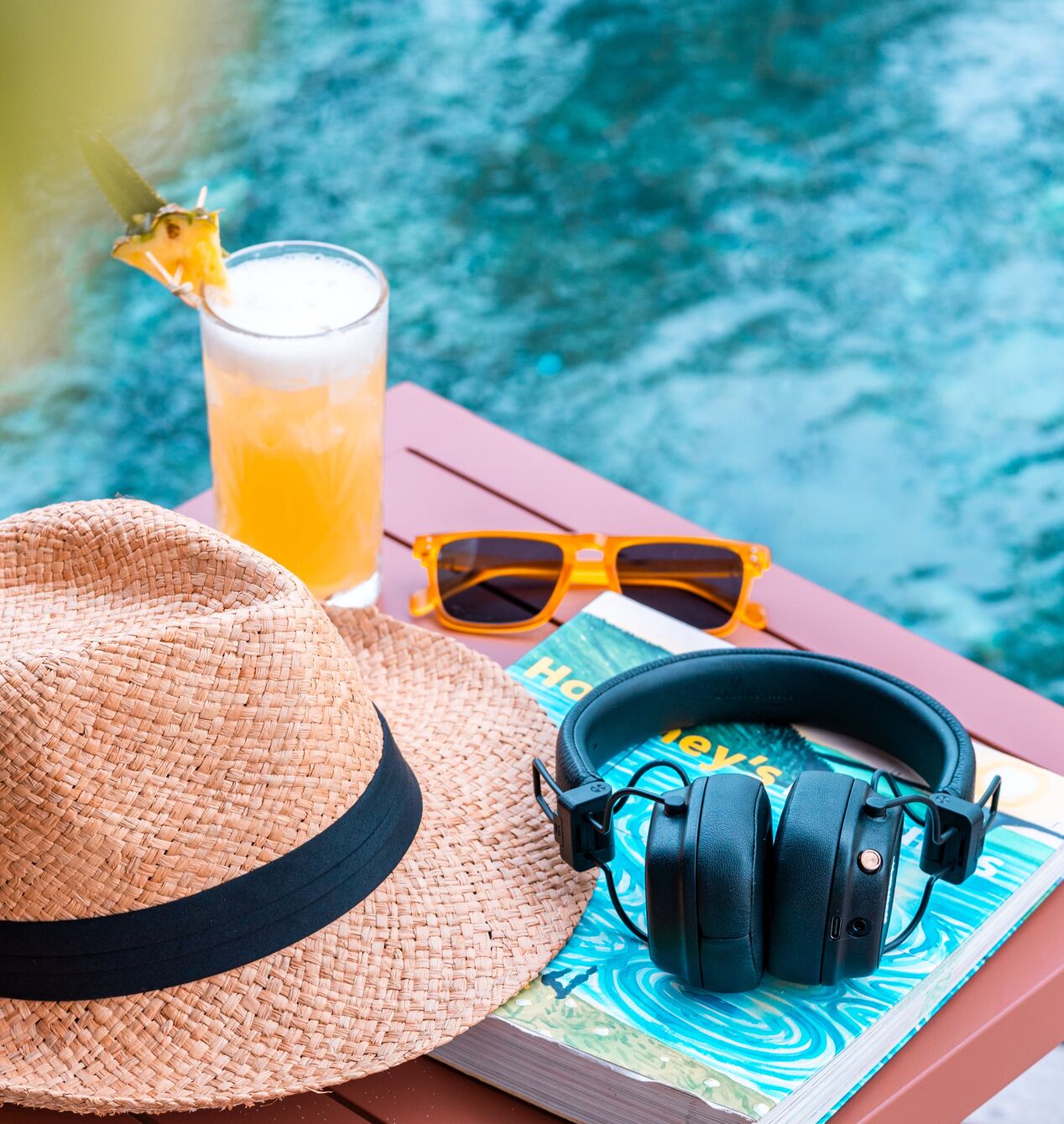
When you return home—sand still tucked between pages of your book, spices lingering in your suitcase—it won’t be just the photos you recall. It will be the warmth of a stranger’s smile at Central Market, the sound of temple bells blending with market banter, the hush of dusk over your villa at JATI Koh Russey. This journey, from the heart of Phnom Penh to the soul of an island, leaves a different kind of imprint—one that seeps in softly, reshaping how you feel the world. At its core, it’s a story of contrast: of movement and stillness, of bustle and breath, of being surrounded and being held. And perhaps, long after your footprints fade from market tiles and island sands, you’ll find pieces of yourself still lingering there—in places where color meets calm, where culture meets care, and where something inside quietly begins again.
FAQs about Central Market in Phnom Penh
Q1: What is Central Market in Phnom Penh?
A1: It's a large, dome-shaped market in the center of Phnom Penh where you can shop for clothes, jewelry, food, souvenirs, and more.
Q2: Where is Central Market located?
A2: It's in the heart of Phnom Penh, at the intersection of Kampuchea Krom and 63 Street.
Q3: What are the opening hours?
A3: Central Market is usually open daily from 7:00 AM to 5:30 PM.
Q4: What can I buy at Central Market?
A4: You can find clothes, watches, electronics, fresh fruits, street food, handmade crafts, and Cambodian souvenirs.
Q5: Is Central Market good for local food?
A5: Yes, there are many stalls with local dishes like noodles, grilled meats, and tropical fruits.
Q6: Do I need to bargain when shopping there?
A6: Yes, bargaining is common and expected, especially for clothes and souvenirs.
Q7: Is the market indoors or outdoors?
A7: Both. The main area is under a large dome, but many stalls extend outside.
Q8: Is Central Market safe for tourists?
A8: Yes, it's generally safe, but it’s a good idea to keep an eye on your belongings.
Q9: How do I get there from my hotel?
A9: You can take a tuk-tuk, taxi, or walk if you're staying nearby.
Q10: Is there a best time to visit?
A10: Morning is best to avoid the heat and crowds, and to see the freshest food and produce.
Related articles
-
From Russian Market to JATI
General
A bustling Phnom Penh maze of silks, silver, spices and street food—where Cambodia’s daily life, craft and flavour come alive under tin …
-
Khmer Cuisine, Reimagined with JATI
General
Where Every Meal Tells a Story
-
Siem Reap Pub Street
General
Lanterns, Lime & Letting Go on Siem Reap Pub Street – with JATI
-

Top Things to Do in Sihanoukville
General
A Local Guide with JATI
-
Where Night Glows and Islands Breathe
General
Phnom Penh Night Market Meets JATI
-
Lanterns, Spice, and Sea
General
A lantern-lit maze of crafts, flavours, and music in Siem Reap—where Khmer tradition, street food, and night rhythms create an …