


Markets and Moments
General |First Encounters with Samaki
In the heart of Battambang, where golden light slants through swaying palms and tuk-tuks hum like dragonflies, Samaki Market wakes early. Here, morning is not a quiet affair—it is a vivid, orchestrated burst of life. The scent of ripe mangoes blends with grilled skewers and crushed lemongrass. Vendors call out, voices rising like a chant over pyramids of dragonfruit and sacks of fragrant rice. Beneath corrugated tin roofs, old women arrange lotus blossoms with fingers worn but graceful, while young boys weave through stalls with baskets of iced fish, still glistening from the Mekong. There is no pretense in Samaki, no curated performance for tourists. It is a living, breathing slice of Cambodia—messy, beautiful, alive. And for the traveler who seeks not just to see, but to feel, this market offers a gateway. Not merely into the culture, but into the rhythm of daily life itself.
The Pulse Beneath the Canopy
As you drift deeper into Samaki’s narrow lanes, time seems to unravel. A woman balances a tray of sticky rice cakes on her head with the poise of a dancer. A butcher sharpens his cleaver, then smiles as he tosses a bone to a stray dog curled in the shade. Nearby, the low sizzle of morning noodles mingles with bursts of laughter from stallholders exchanging jokes over bowls of iced coffee. Everything here hums in an unhurried rhythm—the market isn’t a show, but a ceremony. Locals move with a kind of intuitive choreography, tending to errands, choosing tamarind or turmeric with practiced fingers, greeting one another not with haste, but with warmth. For the observant traveler, it’s more than a place to browse—it’s a place to witness the poetry of routine. This isn’t a market that asks you to shop. It asks you to stay long enough to listen.
Of Sea and Fire: The Journey of Taste
Among the most arresting corners of Samaki is the seafood aisle—an ever-shifting tableau of the nearby rivers and southern coastline. Still-flickering prawns, octopus coiled like question marks, snapper with iridescent scales all laid out on crushed ice that catches the morning light. This is where JATI Koh Russey begins its own quiet
ritual each day. Before the sun lifts high above the island's canopy, our chefs—led by the intuitive hands of Chef Puthea—await the arrival of fishermen at the island’s jetty, many of whom source their catch from markets like this. What is chosen here becomes the evening’s signature—perhaps grilled barramundi laced with Kampot pepper, or a tamarind-glazed crab served by the sea as waves whisper nearby. The link is invisible but felt: every bite on the island still carries the salt, the hum, the human touch of the market that gave it life. In this way, even as you dine under a banyan tree or with your feet in the sand at JATI’s Beach Club, Samaki is never far. It lingers on the tongue—in flavor, in memory.
The Story in Her Smile
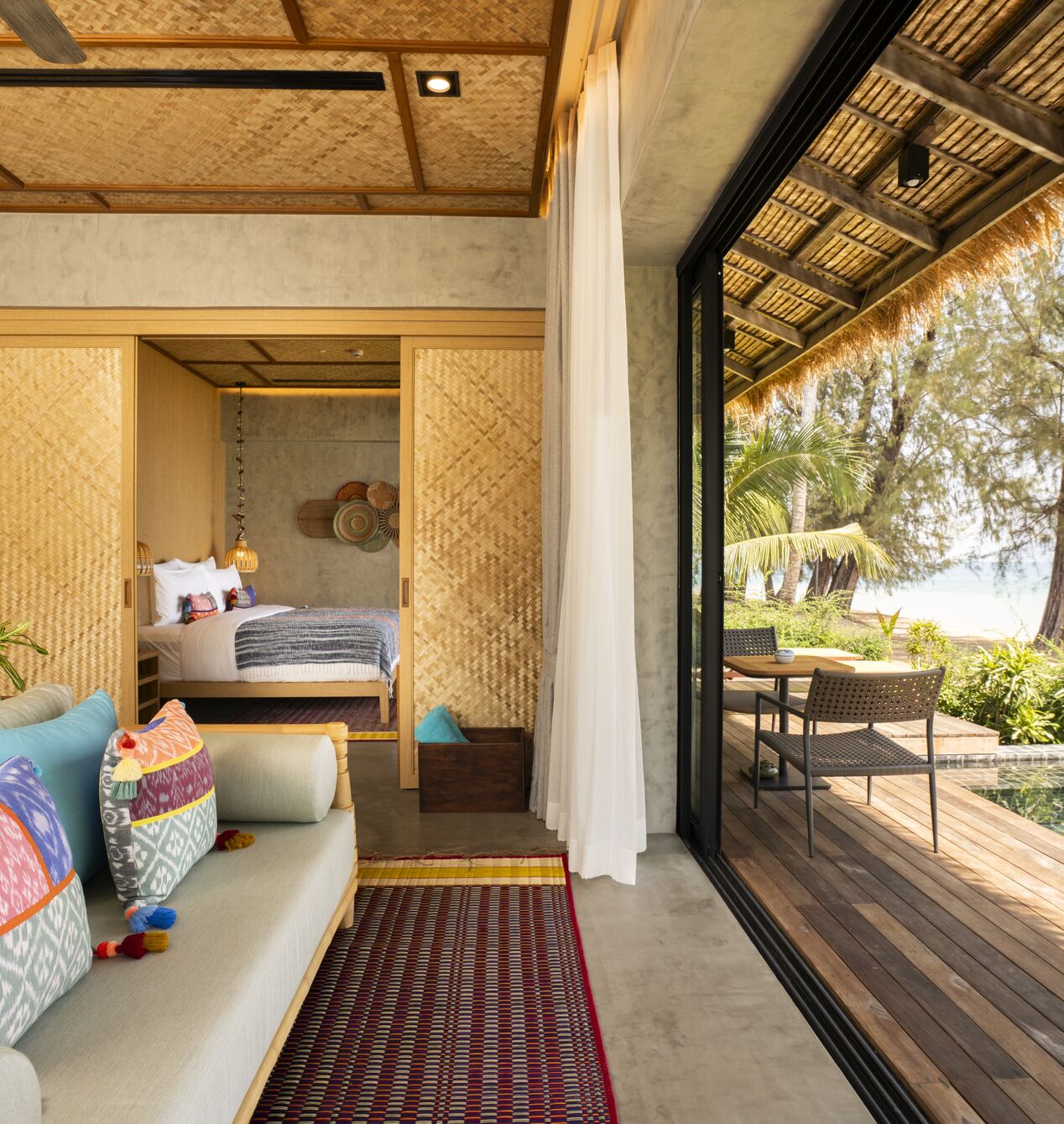
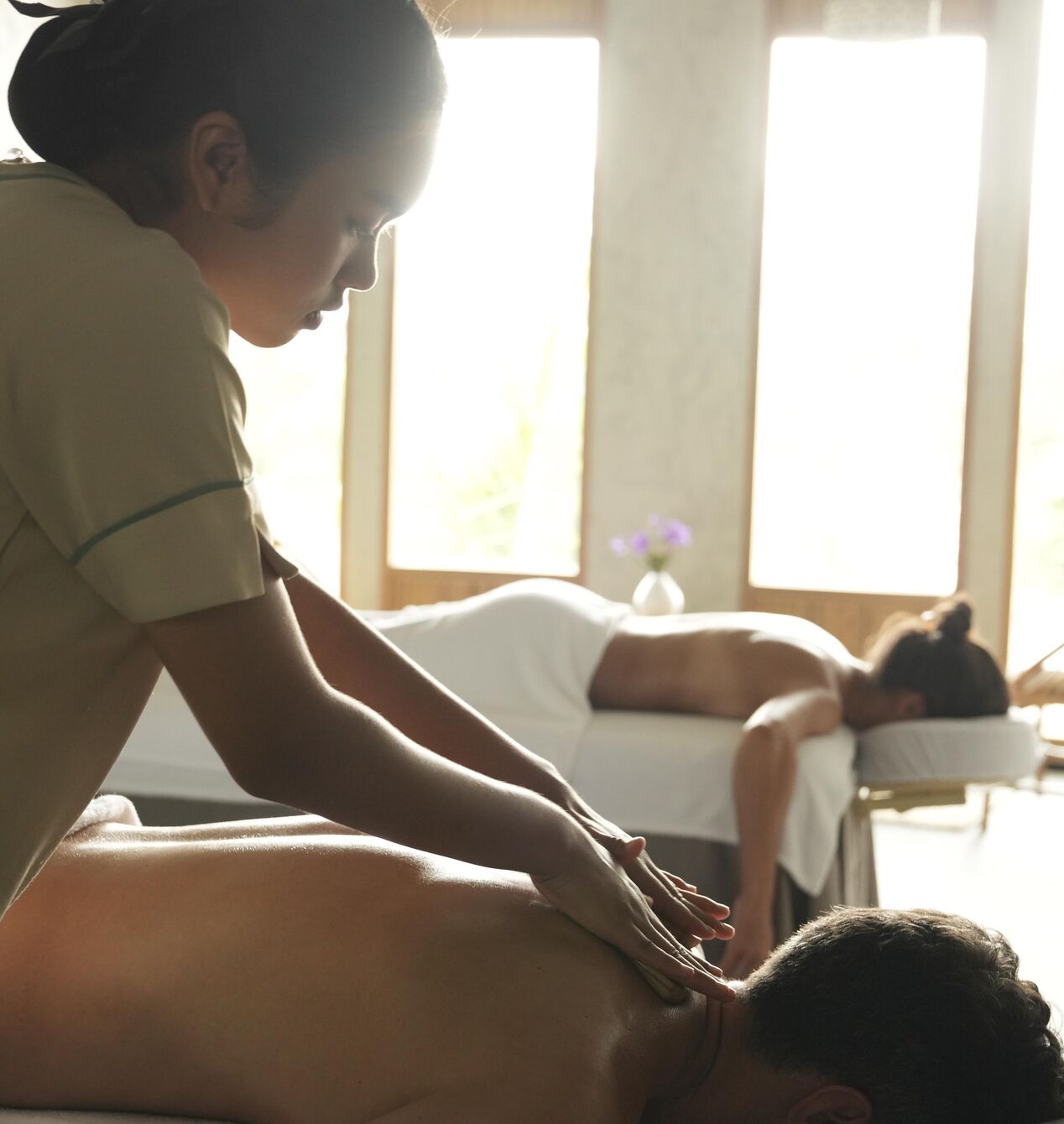
Sometimes, a place reveals itself not through what it shows, but through who you meet. Amid the soft chaos of Samaki, there was an elderly woman sitting cross-legged behind a mountain of hand-woven baskets. Her fingers moved with the slowness of someone who’s repeated the same motion a thousand times—binding, shaping, tying—and yet, her eyes sparkled with the curiosity of a child. She didn’t speak English, but she pointed at a basket and then at my chest, as if to say: this one is for you. There was no bargain, no sell, just a moment shared between two strangers beneath the scent of coriander and sun-warmed rattan. These are the moments that stay with us—not souvenirs, but human textures. And when we return to the calm of JATI Koh Russey, to the stillness of a private veranda or the hush of a treatment room at Bamboo Spa, it is these quiet connections that echo. A reminder that travel, at its most honest, isn’t about escaping life. It’s about stepping into it.
Back to the Island, With the Market Still in Your Bones
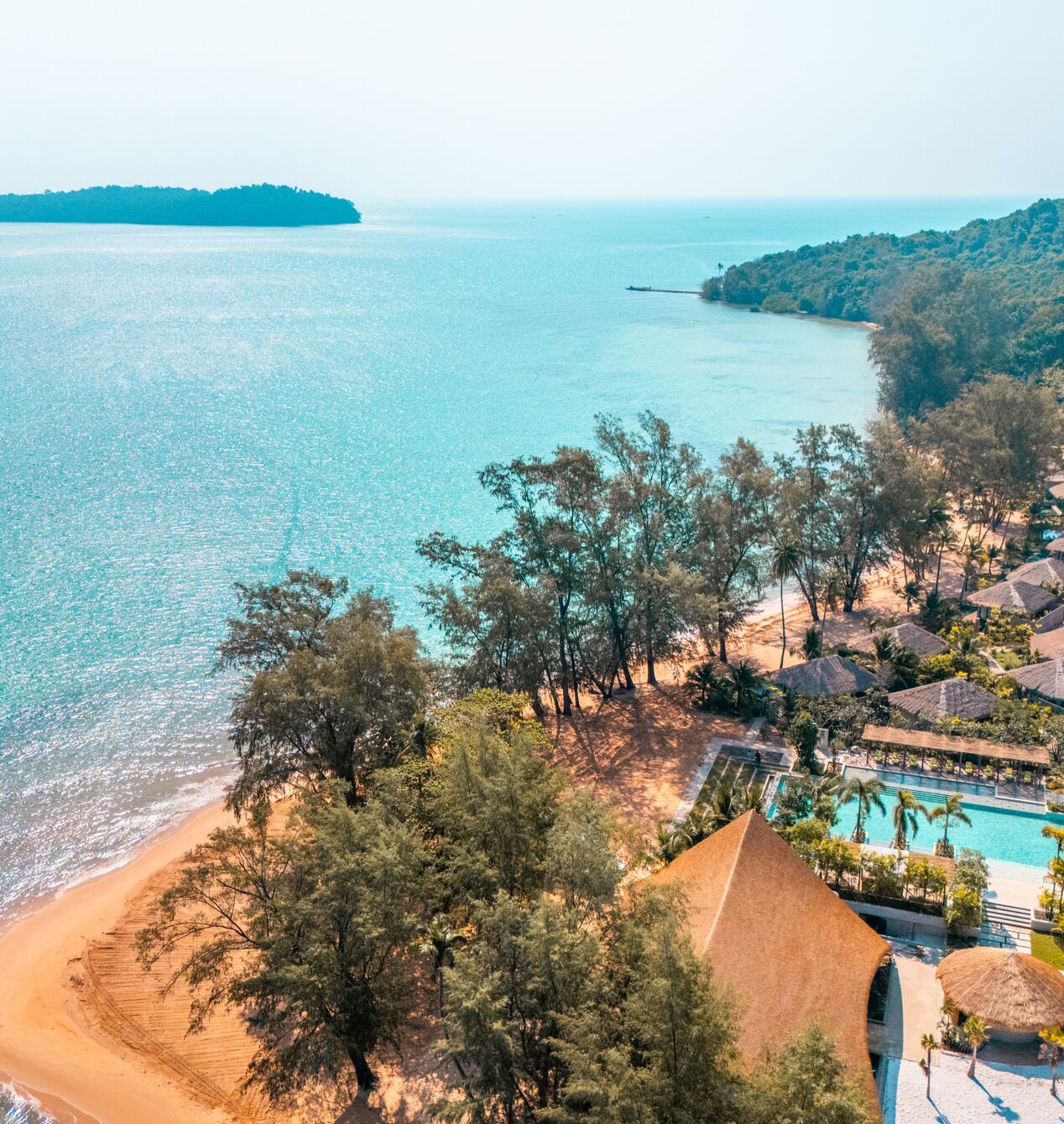
Evening arrives softly at JATI Koh Russey. The sun bows low, casting warm ribbons across the water as you step off the speedboat and return to your island haven. The market clamor fades, but its imprint lingers—in the salt still clinging to your skin, in the scent of grilled lemongrass that now rises from the Beach Club’s kitchen, in the memory of laughter exchanged over a bag of mangoes. As you settle into a lounge chair beneath the ancient Banyan Tree, cocktail in hand, there’s a sense of return—not just to the island, but to something deeper within. The Banyan Bar hums with the soft murmur of dusk, and you begin to notice how the textures of the day shift: the market’s noise gives way to ocean breeze, plastic stools to woven rattan, crowded stalls to wide open sky. Yet somehow, it’s all connected. The market and the island, noise and stillness, movement and rest—woven into one story that belongs entirely to you.
Where Taste Meets Intention
At JATI Koh Russey, what nourishes the body also honors the journey. The fish you saw at Samaki earlier that morning may now arrive at your table, reimagined—not masked, but celebrated. A whole snapper, gently charred and dressed in tamarind and lime. Shellfish steamed in banana leaf. A mango salad that echoes the one offered by the roadside vendor, now plated with quiet elegance beside the sea. But the care doesn’t end in the kitchen. Even the water you sip carries a story: drawn from deep island wells and purified through a state-of-the-art reverse osmosis system, each drop reflects a promise to protect the land we stand on. This is not indulgence for its own sake—it is a rhythm of respect. Here, freshness is not a trend, but a truth. Sustainability is not a slogan, but a daily act. In every corner of JATI, from in-villa dining in vibrant tiffin tins to the open-air embrace of Arun’s breakfast café, the food is a continuation of the market’s spirit—vivid, rooted, and alive.
For the Ones Who Wander Differently
Samaki Market and JATI Koh Russey are for those who travel not to escape, but to engage. For the cultural nomads who seek stories stitched into fabric and flavor. For the conscious families whose children learn through scent and touch, not just textbooks—who find joy in choosing jackfruit together or learning how rice is weighed by hand. For the solo seekers who lose themselves in a quiet corner of the market before returning to the island to write, reflect, or simply rest beneath the palm-filtered light of their villa terrace. Each path is different, but the desire is shared: to feel something real. That’s what draws them here. At JATI, curated island rituals—sunrise yoga, Khmer-inspired treatments, beachside dinners with seafood caught mere hours before—mirror the authenticity they first touched in the market’s maze. Between the pulse of Samaki and the pause of the island, there is space for every traveler to find what they didn’t know they were missing.
A Soft Invitation to Begin Again
There is something about markets that stays with you. Long after you’ve left Samaki, its colors flash behind closed eyes—the red of chili paste, the silver gleam of river fish, the warm ochre of turmeric-stained fingertips. And perhaps that is what travel
does best: it gathers fragments, scents, textures, and lets them quietly reshape us. At JATI Koh Russey, we understand that transformation doesn’t always arrive with fanfare. Sometimes, it begins with a stroll through a market. Sometimes, with the quiet sip of cool water after a long day. So if your journey ever finds you wandering the sunlit corridors of Samaki or watching the horizon from your private pool, know this: you are already in the midst of something meaningful. No need to rush. Let the market linger. Let the island hold you. And when you’re ready, let the next chapter unfold—softly, simply, and wholly your own.
FAQs about Samaki Market
Q1: Where is Samaki Market located?
A1: Samaki Market is in the center of Battambang, Cambodia.
Q2: What time does Samaki Market open?
A2: The market usually opens around 6:00 AM and stays busy until the afternoon.
Q3: What can I buy at Samaki Market?
A3: You can find fresh seafood, fruits, vegetables, meat, clothes, souvenirs, and street food.
Q4: Is Samaki Market good for tourists?
A4: Yes, it’s a great place to see local life and try Cambodian food, but it’s mainly for locals.
Q5: Can I eat at Samaki Market?
A5: Yes, there are many food stalls selling noodles, grilled meat, and sweet snacks.
Q6: Is it safe to visit Samaki Market?
A6: Yes, it’s generally safe, but keep an eye on your belongings like you would in any busy place.
Q7: Do people speak English at the market?
A7: Some vendors may speak basic English, but most speak Khmer. A smile and gestures help a lot.
Q8: How do I get to Samaki Market from JATI Koh Russey?
A8: You can arrange transport to Battambang through JATI’s concierge team; it includes a boat and car transfer.
Q9: What’s the best time to visit Samaki Market?
A9: Morning is best for fresh produce and local activity.
Q10: Can I take photos at the market?
A10: Yes, but it’s polite to ask people before taking their photo.
Related articles
-
From Russian Market to JATI
General
A bustling Phnom Penh maze of silks, silver, spices and street food—where Cambodia’s daily life, craft and flavour come alive under tin …
-
Khmer Cuisine, Reimagined with JATI
General
Where Every Meal Tells a Story
-
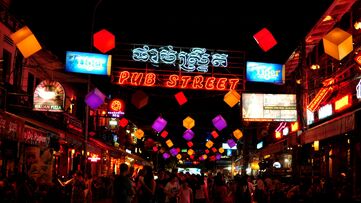
Siem Reap Pub Street
General
Lanterns, Lime & Letting Go on Siem Reap Pub Street – with JATI
-

Top Things to Do in Sihanoukville
General
A Local Guide with JATI
-
Where Night Glows and Islands Breathe
General
Phnom Penh Night Market Meets JATI
-
Lanterns, Spice, and Sea
General
A lantern-lit maze of crafts, flavours, and music in Siem Reap—where Khmer tradition, street food, and night rhythms create an …