




Phnom Kulen Meets JATI
General |Two Sanctuaries, One Soul
Where Sacred Waters Rise
Deep within Cambodia’s beating green heart, where mist gathers like memory among the treetops, Phnom Kulen rises—not just as a mountain, but as a beginning. Here, the land exhales stories older than stone. Waterfalls cascade from sacred heights, their silken rush echoing with whispered prayers once carried by kings. Locals call it the mountain of lychees, yet it is far more than a harvest—it is heritage, it is myth. In the quiet hush of dawn, before the sun filters through the canopy, one might feel the breath of the divine stirring between banyan limbs and lichen-covered shrines. Travelers don’t come here for spectacle; they come seeking something else—something slower, deeper. A reason to pause. A place where time pools gently, and the soul begins to listen.
Walking With Kings and Spirits
Every step on Phnom Kulen is a passage through layers of devotion and dynasty. It was here that Jayavarman II, standing among these very stones, declared the birth of the Khmer Empire in the 9th century—his voice rising above the canopy like a vow to the heavens. Along the forested trails, roots and relics share space; towering trees arch over ancient paths, and moss-veiled carvings emerge unexpectedly, like spirits greeting those who remember to look slowly. At Preah Ang Thom, a massive reclining Buddha carved from sandstone rests high above the valley, serene and unshaken by centuries. Pilgrims and wanderers alike pause before it—not because they must, but because the silence invites it. There is reverence in the air here, not prescribed, but felt. And whether kneeling in prayer or simply breathing it all in, one cannot help but sense that the mountain remembers.
Carvings Beneath the River
Beneath the flowing waters of Kbal Spean lies a secret etched in stone—a thousand lingas carved into the riverbed, softened by centuries of current yet still pulsing with sacred intent. As the stream glides over these ancient symbols of fertility and creation, the sunlight flickers through the forest canopy and dances across the shallows, revealing scenes of gods and cosmic rivers. There is something intimate here, something hushed. Travelers sit quietly along the mossy banks, feet dipped in cool, clear flow, watching the light shift like breath across the carvings. It feels less
like sightseeing and more like being witnessed—by the mountain, by the water, by the stories that live on through quiet ritual. The mountain does not boast its wonders; it offers them like a prayer. You need only listen.
The Lush Heart of Kulen
Away from the sacred riverbeds, Phnom Kulen unfolds into a living tapestry of forest, farmland, and village rhythm. Here, water buffalo graze beneath sugar palms, and children race barefoot through red-dirt paths, their laughter rising like birdsong. Trails lead past humble homes where smoke curls from clay stoves, and the scent of lemongrass and grilled fish wafts into the trees. Orchids bloom wild in the underbrush, and butterflies float through shafts of sunlight like drifting petals. This is not a place curated for tourists—it is a place that simply ‘is‘, vibrant and unguarded. For travelers hungry for connection, the heart of Kulen offers a different kind of richness: not in grandeur, but in the way a grandmother’s smile softens when she shares a story, or how a temple guardian nods as you pass, as if you’ve stepped into something sacred without needing to understand it all.
Returning to the Shore: Rebirth at JATI
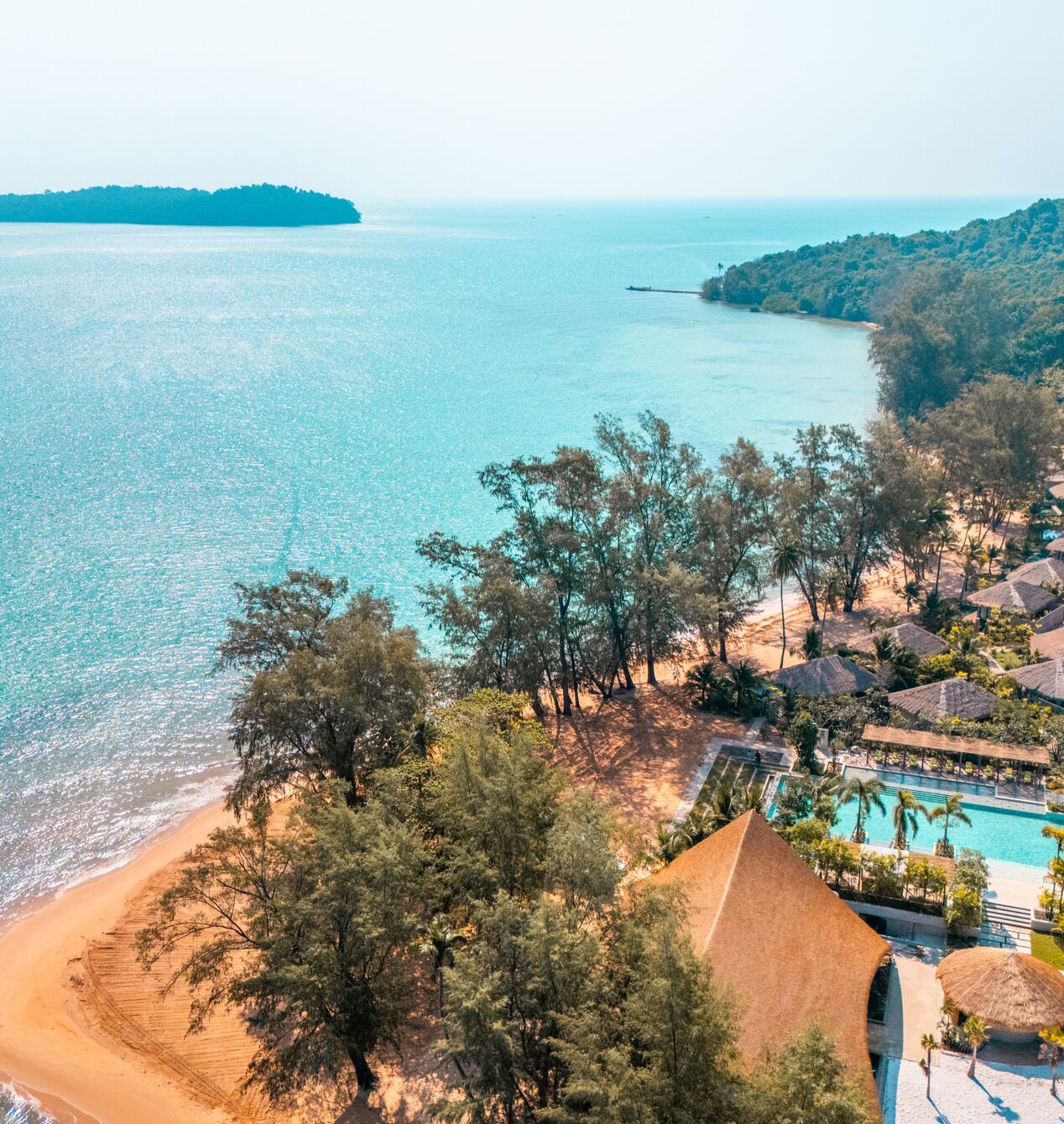
As the path down the mountain unwinds and the echoes of waterfalls fade, the journey continues—not as an end, but a gentle return. Across Cambodia’s southern coast, scattered like quiet verses in a long-forgotten song, a group of islands waits. Among them, JATI Koh Russey rests in serene seclusion, a soft exhale after the sacred breath of Kulen. Here, the spirit of rebirth—‘JATI‘—is not metaphor but experience. The salt-tinged air greets you like an old friend, and the sea, ever shifting and patient, invites you to lay down whatever the mountain helped you shed. Whether you arrive with a quiet soul or a curious heart, JATI becomes a natural continuation—a place where reflection finds rhythm, and the simplicity of the ocean mirrors all that you uncovered in the hills. This is not escape; it is return.
Tastes of the Coast, Echoes of the Mountain
Back by the sea, the language of flavor speaks in gentle harmony with the echoes of Phnom Kulen. At JATI’s Beach Club, the day’s catch arrives in woven baskets, still glistening from the morning tide. Fishermen’s hands, weathered and sure, pass their
bounty to Chef Puthea and his team, who turn sea and spice into stories on a plate—grilled snapper brushed with lemongrass, shrimp dancing in tamarind glaze, smoky octopus that melts like a secret. As you dine beneath the open sky or under the banyan’s vast embrace, there’s a quiet knowing in each bite: this is not just a meal, but a communion. Perhaps it’s the same reverence felt kneeling before the mountain’s Buddha—just now told in salt and citrus, in the crackle of a fire, in the hush between waves. Even in this feast, the spirit of Kulen lingers.
Stillness Between Sea and Sky
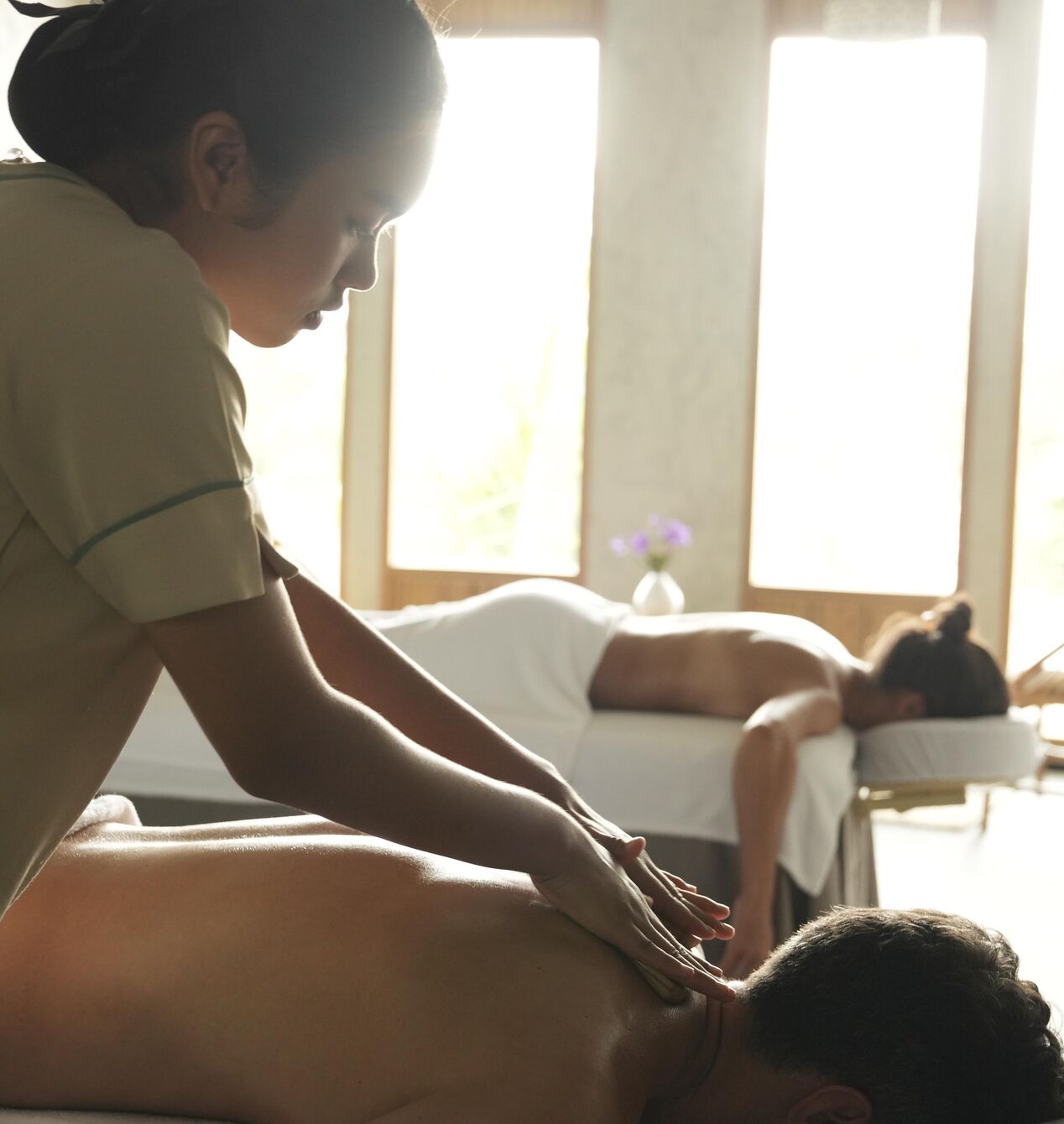
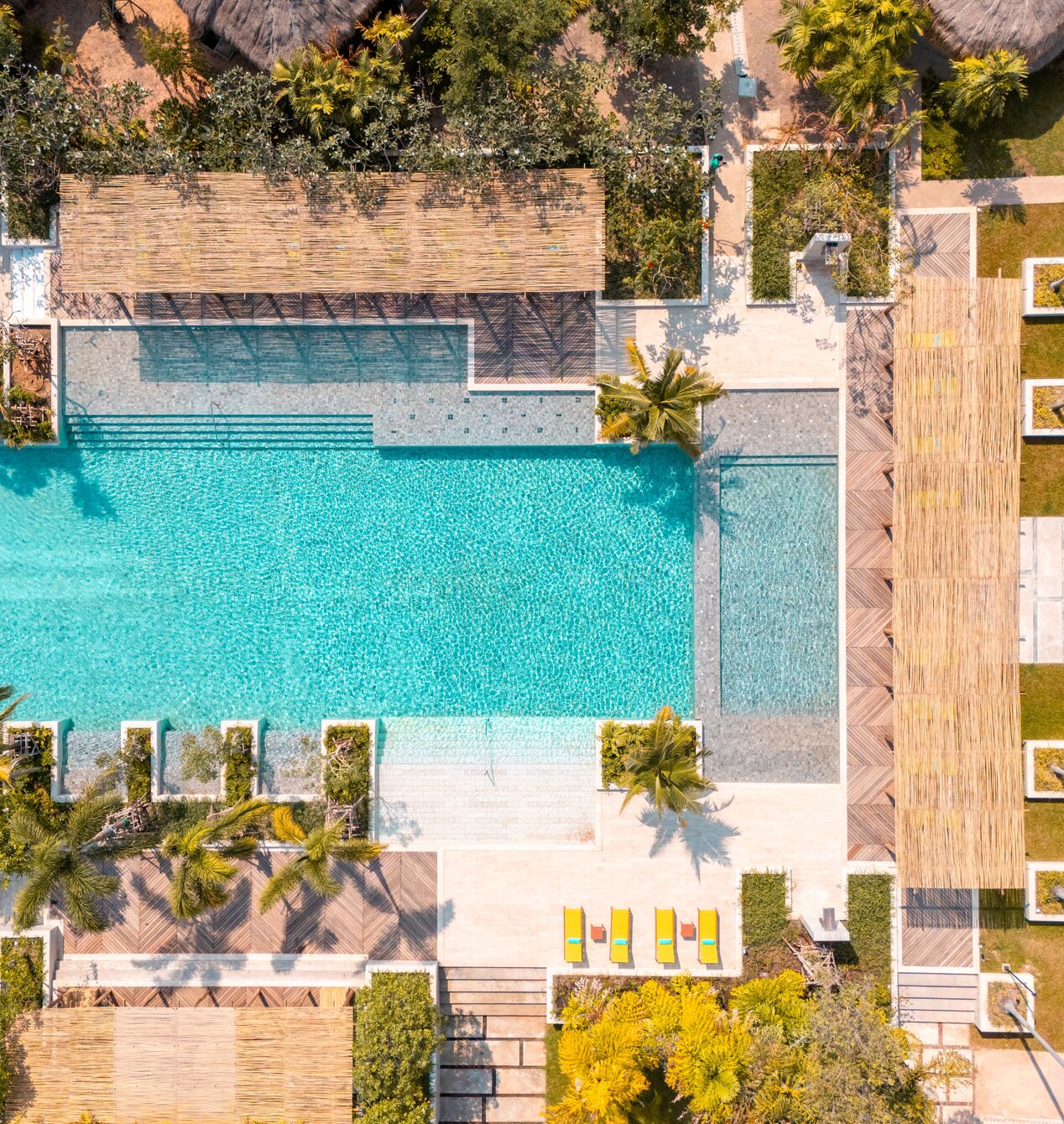
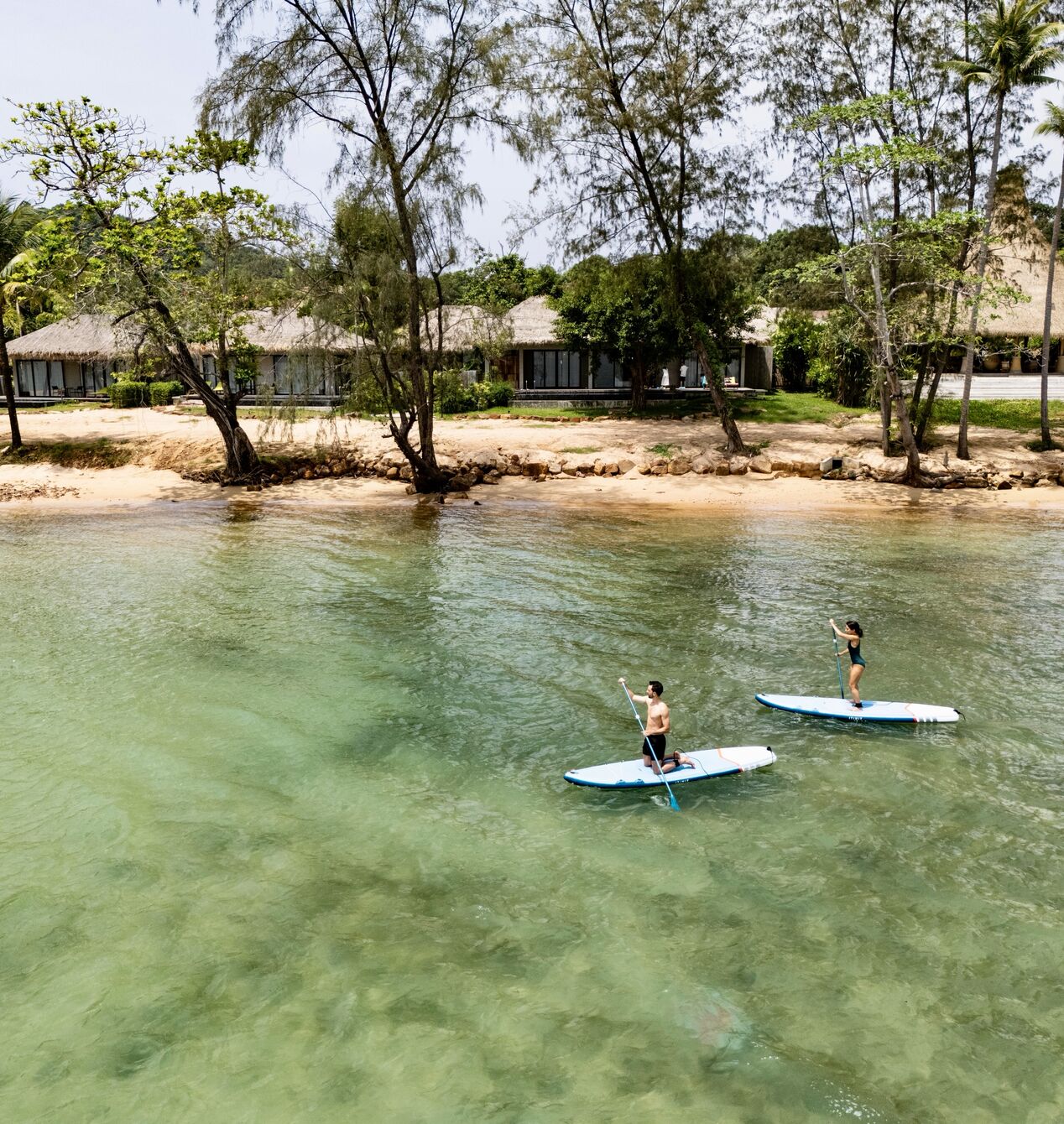
There is a hush at JATI that doesn’t ask for silence—it simply welcomes it. In the cool shade of the Bamboo Spa, where scents of lemongrass and salt mingle with warm oils, time slows to the rhythm of touch and breath. Mornings begin with yoga beneath a sky brushed in rose and gold, each pose a quiet echo of the mountain’s prayerful stillness. Later, a plunge into the ice bath awakens the senses like a forest stream, crisp and purifying. For those who walked Phnom Kulen with questions, here is a place for listening to the answers—not in words, but in sensations. The heat of the steam room, the curve of a wave against a paddleboard, the flutter of palms in the afternoon breeze. Between sea and sky, JATI offers a sanctuary not of escape, but of presence.
A Journey in Rhythm
Some journeys are measured in distance; others, in the quiet shift of something within. From the sacred stones of Phnom Kulen to the soft sands of JATI, this path flows not in straight lines, but in rhythm—breath by breath, step by step. It is the rhythm of morning light filtering through temple trees, of waves brushing against the shore like a lullaby, of a heart returning to itself. At JATI, this rhythm continues in the sway of a hammock, the shared silence of a seaside dinner, the slow unfolding of a day without hurry. Here, travel is not about ticking places off a map, but weaving memories that feel both ancient and new. And as dusk settles over the southern islands of Cambodia, painting the horizon in tones of surrender, you may find yourself not at the end of a journey, but gently at its beginning.
FAQs about Phnom Kulen
Q1: What is Phnom Kulen?
A1: Phnom Kulen is a sacred mountain in Cambodia known for waterfalls, ancient temples, and spiritual sites.
Q2: Where is Phnom Kulen located?
A2: It’s about 50 kilometers north of Siem Reap, inside Phnom Kulen National Park.
Q3: How do I get to Phnom Kulen from Siem Reap?
A3: You can go by car or tuk-tuk. The trip takes around 1.5 to 2 hours.
Q4: Is there an entrance fee to Phnom Kulen?
A4: Yes, foreigners usually pay a fee of around $20–$25 per person.
Q5: What is the best time to visit Phnom Kulen?
A5: The dry season, from November to April, is the best time. Roads are easier and waterfalls are still flowing.
Q6: What can I see at Phnom Kulen?
A6: Highlights include waterfalls, a giant reclining Buddha, riverbed carvings, and jungle trails.
Q7: Can I swim at Phnom Kulen?
A7: Yes, there are natural pools below the waterfalls where visitors can swim.
Q8: Is Phnom Kulen good for families?
A8: Yes, kids can enjoy nature walks, the waterfall, and exploring the open space.
Q9: Do I need a guide to visit Phnom Kulen?
A9: It’s not required, but a guide can help explain the history and show hidden spots.
Q10: What should I wear or bring?
A10: Wear comfortable shoes and modest clothes (especially for temples). Bring water, sunscreen, and insect repellent.
Related articles
-

From Russian Market to JATI
General
A bustling Phnom Penh maze of silks, silver, spices and street food—where Cambodia’s daily life, craft and flavour come alive under tin …
-
Khmer Cuisine, Reimagined with JATI
General
Where Every Meal Tells a Story
-
Siem Reap Pub Street
General
Lanterns, Lime & Letting Go on Siem Reap Pub Street – with JATI
-

Top Things to Do in Sihanoukville
General
A Local Guide with JATI
-
Where Night Glows and Islands Breathe
General
Phnom Penh Night Market Meets JATI
-
Lanterns, Spice, and Sea
General
A lantern-lit maze of crafts, flavours, and music in Siem Reap—where Khmer tradition, street food, and night rhythms create an …