






Threads of Time
General |Old Market Tales and the Stillness of JATI
Where Stories Begin: The Old Market’s Timeless Pulse
In the heart of Siem Reap, where the mornings begin not with alarms but with the clatter of chopping boards and the smoky sizzle of street-side grills, the Old Market—known to locals as Psar Chas—awakens like a living heartbeat. It’s not pristine or polished, and that’s its power. Beneath a patchwork roof of corrugated tin and weather-worn tiles, you’ll find narrow aisles lit by dusty shafts of sunlight and humming with Khmer, French, English, and the quiet language of curious glances. The scent of lemongrass and grilled pork weaves through the air, colliding with incense smoke and fresh-cut marigolds. This is no ordinary place—it’s a microcosm of Cambodian life. Not curated or costumed, but real. Here, travelers do more than shop; they listen, taste, and breathe in centuries of resilience and rhythm, one stall at a time.
A Living Museum of Khmer Daily Life
Wandering through the Old Market feels like stepping inside a story that’s still being written. Beneath woven baskets of tamarind and jars of pickled mango, old women laugh behind their stalls, slicing herbs with hands that have fed generations. Monks in saffron robes glide silently past tourists bargaining for hand-dyed scarves. Motorbikes sputter outside, ferrying fresh coconuts and sacks of rice. Each corner hums with purpose—not for show, but for survival, for community. For the locals, this market is necessity; for visitors, it’s revelation. You see Cambodia not through museum glass, but through motion, trade, and the poetry of everyday life. There is grace in the way a vendor weighs your dragonfruit, in how she smiles without needing words. And in this choreography of color and chaos, the Old Market becomes something more than a stop on a guidebook—it becomes a window into the soul of a people who live close to the ground and closer still to each other.
Souvenirs That Tell Stories
In Psar Chas, souvenirs are not trinkets—they’re whispers from hands that remember. A scarf dyed in the soft reds of morning hibiscus, woven on a wooden loom just miles away. Silver bracelets etched with ancient symbols, their curves echoing the patterns carved into Angkor’s stone faces. Palm sugar wrapped in banana leaves, incense bundled in quiet reverence. Every item holds a trace of the
artisan’s breath, a fragment of Cambodia’s living archive. Travelers pause, fingers grazing fabrics and pottery, not only to take something home—but to carry a feeling, a smell, a story. It’s here that the curated adventurer finds joy, not in polished displays, but in the imperfect fingerprint on a clay bowl. And while the treasures may be small, their weight is emotional—a reminder that beauty, when rooted in culture, always transcends fashion.
The Taste of Siem Reap
Food here doesn’t whisper—it sings. At the Old Market, steaming bowls of kuy teav simmer beside piles of fresh herbs, while skewers of grilled frog and banana blossom salads glisten beneath flickering bulbs. The air is thick with the warmth of turmeric, the tang of green mango, the slow burn of prahok. Each bite is a lesson in place, a delicious layering of time and tradition. For the curious palate, there are fried tarantulas and red ants folded into stir-fried beef—offerings not for shock, but for pride. Locals gather at counters, slurping noodles with practiced ease, while travelers sit elbow-to-elbow, surprised by how flavor becomes conversation. This sensory chaos is not just nourishment—it’s communion. And it’s this deep respect for origin and freshness that echoes back to JATI Koh Russey, where meals begin with the morning’s ocean catch and unfold slowly under a banyan tree. Different landscapes, same devotion: to food that tells a story worth savoring.
A Place of Contrast and Connection
There is a quiet magic in the way Psar Chas slows you down. One moment you’re dodging motorbikes and ducking into spice-laced shadows; the next, you’re transfixed by a mother and child folding lotus flowers, their rhythm unhurried, their bond unspoken. Amidst the market’s buzz, there are pockets of stillness—silent exchanges, glances held, the universal language of shared wonder. For couples, it becomes a place of small discoveries; for solo travelers, a mirror of their inner landscapes. There’s something deeply grounding in being part of a place so unapologetically alive. And when the sensory whirl fades, many carry that feeling onward—to places like JATI Koh Russey, where the connection doesn’t end, but shifts. Where conversations drift under banyan leaves instead of corrugated tin, and stillness is wrapped not in incense, but in sea breeze. Both spaces invite presence. Both, in their own way, remind you of how beautiful it is to feel small and awake in a wide, wondrous world.
From Market Rush to Island Stillness
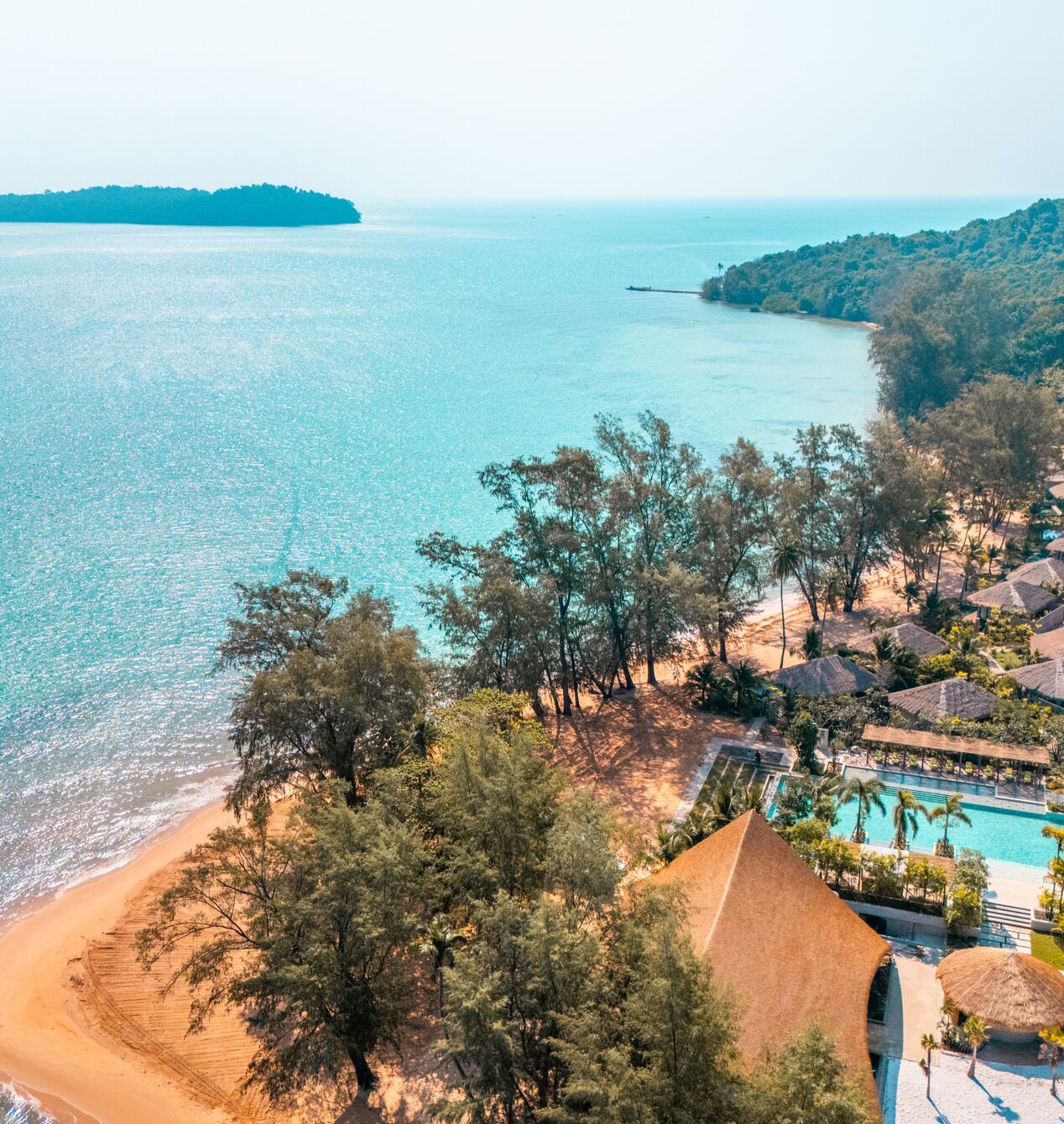
Leaving the Old Market behind, you carry with you the hum of its heartbeat—the turmeric on your fingers, the stories folded in silk. But just as Siem Reap offers its pulse, Cambodia offers its hush. A short journey south brings you to the mainland pavilion, where a breeze begins to replace the heat, and a speedboat glides across sapphire waters toward a secluded cluster of islands. Among them waits JATI Koh Russey, tucked within 46 hectares of forest and shoreline. The market’s colors fade into the turquoise sea, its rhythms giving way to the quiet rustle of palms and the distant calls of hornbills. This is not escape—it’s evolution. One moment you were in the thrum of barter and spice; the next, your feet touch cool sand and your breath begins to match the tide. Cambodia offers both the roar and the rest. JATI simply invites you to follow the shift.
Echoes of Khmer Culture at JATI
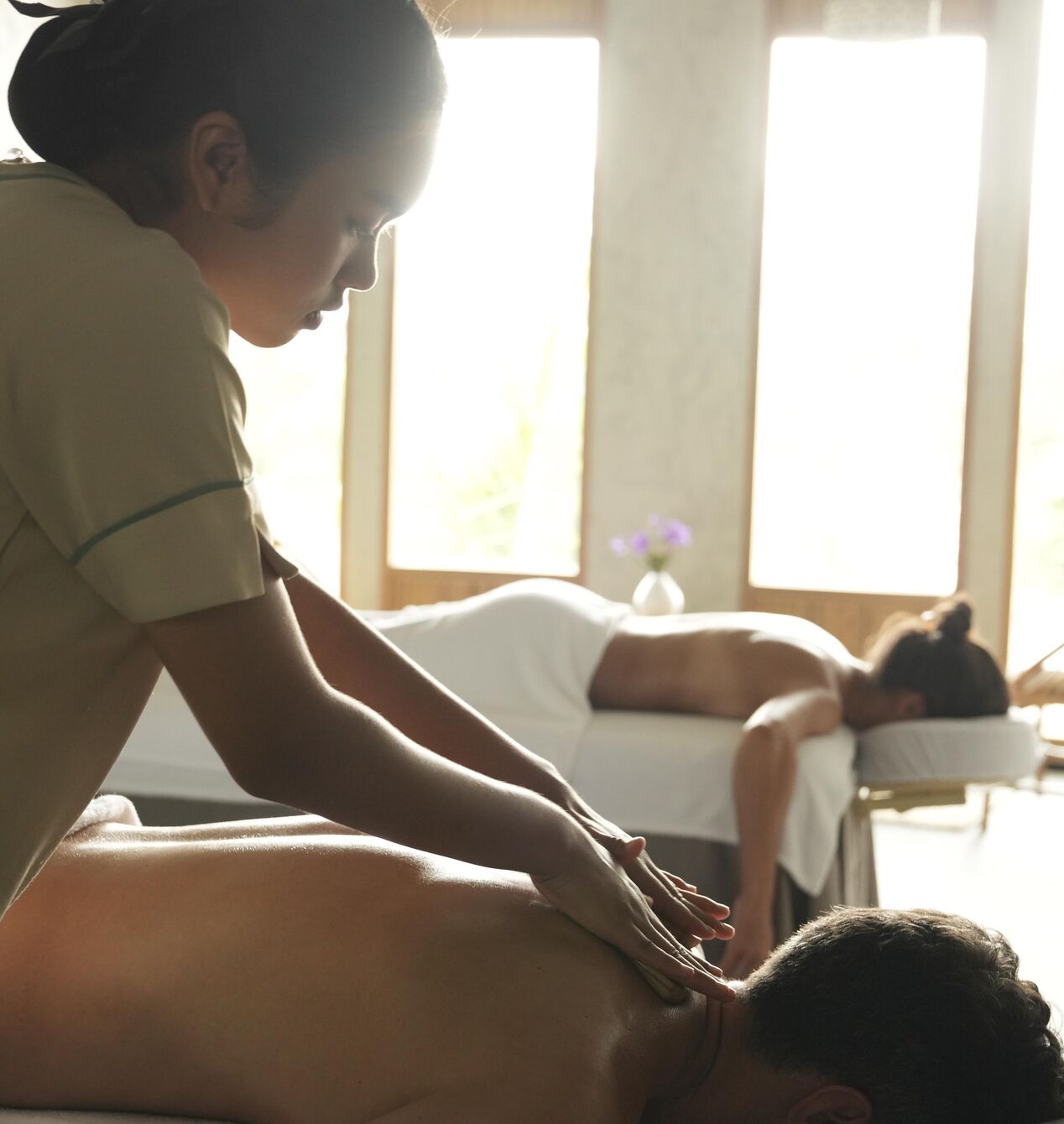
Though the setting has changed—from narrow alleys to open coastline—the spirit of Cambodia follows you. At JATI Koh Russey, the same reverence for craft and culture is woven into every detail. The Beach Club serves seafood caught just hours before, honoring the sea in the way the market honors the land. Under the shade of an ancient banyan, cocktails are poured with the same attention as incense is lit in Siem Reap. The villas, dressed in Khmer-inspired textures, echo the artistry found in woven baskets and carved amulets. At the Bamboo Spa, ancient healing rituals are reinterpreted with care, offering renewal that feels both grounded and elevated. Even water, drawn from deep wells and purified on-site, carries JATI’s quiet promise of sustainability and intention. This is not luxury in the traditional sense—it’s deeper. It’s cultural continuity, a soft thread pulled from Psar Chas to the shorelines of JATI, stitched gently through your every experience.
A Journey That Feels Whole
From the smoky bustle of the Old Market to the sun-warmed quiet of a private island, your journey through Cambodia doesn’t follow a straight line—it breathes. It begins with the laughter of vendors and the clink of porcelain teacups, and ends with barefoot evenings, where stars appear unhurried and silence becomes a kind of music. At JATI Koh Russey, the stories you gathered in Siem Reap don’t end—they settle. You might find them again in the aroma of grilled prawns, in the curve of a handcrafted basin, in the stillness of an ocean-facing yoga session. What the market
ignites, the island deepens. And somewhere in between, you’ll find yourself transformed—not by spectacle, but by presence. By choosing to see, taste, and feel with intention. JATI doesn’t call loudly. It simply waits, like a soft tide, ready to carry you toward a version of yourself that is just a little more alive.
FAQs about Old Market in Siem Reap
Q1: What is the Old Market in Siem Reap?
A1: The Old Market, also called Psar Chas, is a traditional market in the center of Siem Reap where locals and tourists shop for food, clothes, souvenirs, and more.
Q2: Where is the Old Market located?
A2: It’s in downtown Siem Reap, near the riverside and close to Pub Street.
Q3: What can I buy at the Old Market?
A3: You can buy fresh produce, spices, clothes, handmade crafts, silver jewelry, souvenirs, and street food.
Q4: Is it open every day?
A4: Yes, the Old Market is open daily, usually from early morning until late evening.
Q5: Can I eat local food there?
A5: Yes, there are many food stalls and small eateries selling Khmer dishes, snacks, and drinks.
Q6: Do vendors speak English?
A6: Some vendors speak basic English, especially in the tourist areas, but not all.
Q7: Is bargaining allowed?
A7: Yes, bargaining is common and expected, especially for souvenirs and clothes.
Q8: Is the market suitable for children?
A8: Yes, but it can get crowded and hot, so keep an eye on kids and stay hydrated.
Q9: What’s the best time to visit?
A9: Mornings are cooler and less crowded, while late afternoons offer a lively atmosphere.
Q10: How long should I spend there?
A10: Most visitors spend 1–2 hours browsing, shopping, and eating, but you can stay longer if you enjoy exploring.
Related articles
-

From Russian Market to JATI
General
A bustling Phnom Penh maze of silks, silver, spices and street food—where Cambodia’s daily life, craft and flavour come alive under tin …
-
Khmer Cuisine, Reimagined with JATI
General
Where Every Meal Tells a Story
-
Siem Reap Pub Street
General
Lanterns, Lime & Letting Go on Siem Reap Pub Street – with JATI
-

Top Things to Do in Sihanoukville
General
A Local Guide with JATI
-
Where Night Glows and Islands Breathe
General
Phnom Penh Night Market Meets JATI
-

Lanterns, Spice, and Sea
General
A lantern-lit maze of crafts, flavours, and music in Siem Reap—where Khmer tradition, street food, and night rhythms create an …