


Tonle Sap to JATI
General |A Journey Through Cambodia’s Living Waters
A Lake of Shifting Heartbeats
In the heart of Cambodia, where earth and water speak in ancient rhythms, there lies a lake that breathes. Tonle Sap is not merely a body of water—it is a living, pulsing force, expanding and contracting with the seasons like a quiet heart beneath the land. During the monsoon, the Mekong reverses its flow, swelling the lake sixfold, covering rice fields, forests, and plains in a vast inland sea. In the dry months, it exhales, gently retreating to reveal a patchwork of life shaped by silt and memory. To witness Tonle Sap is to understand that stillness can be alive, and that change, when rooted in harmony, is not disruption but grace. Here, the landscape does not resist the cycle—it dances with it.
Where the Waters Give Life
Each ripple on Tonle Sap carries more than water—it carries stories, sustenance, and the quiet hum of everyday survival. Over a million Cambodians draw their lives from this ever-changing lake, their homes floating gently above its surface, tethered not by anchors but by tradition. Fishermen rise before dawn to cast their hopes into its depths, while children paddle to floating schools, their laughter echoing across the water like birdsong. The lake feeds them, shelters them, teaches them to move with the rhythm of nature rather than against it. Here, life is not built upon the land, but upon trust—in the currents, in the sky, in the promise that the waters will return when they are needed most.
Floating Worlds and Living Traditions
Along the edges of Tonle Sap, villages drift like dreams—entire communities gently rocking on stilts and bamboo rafts, their lives woven into the water's ebb and flow. In places like Kampong Phluk and Chong Khneas, temples, markets, and homes hover above the lake, suspended between sky and reflection. Morning light spills across wooden verandas as incense curls through open windows; monks in saffron robes glide past in slender boats, their chants rippling through the still air. Here, there are no sharp lines between land and water, between sacred and ordinary. Every act—cooking, praying, learning, fishing—is performed in rhythm with the lake. It is not an escape from the modern world, but a return to something older, quieter, more enduring.
A Symphony of Biodiversity
Tonle Sap is more than a lake—it is a cradle of life, a sanctuary where thousands of species find refuge. When the waters swell each year, they flood the surrounding forests, creating one of the world’s richest freshwater ecosystems. Trees stand with their roots submerged, their branches sheltering nesting birds and curious macaques. Beneath the surface, schools of fish dart through flooded fields, nourishing not only the people but an entire web of existence. Migratory birds from as far as Siberia rest here in winter, drawn to the abundant wetlands like pilgrims returning home. This ever-adapting ecosystem, protected as a UNESCO biosphere reserve, sings of resilience and quiet balance. To glide across these waters is to move through a living hymn—each flutter, each splash, a verse in nature’s longest poem.
JATI’s Own Journey of Water
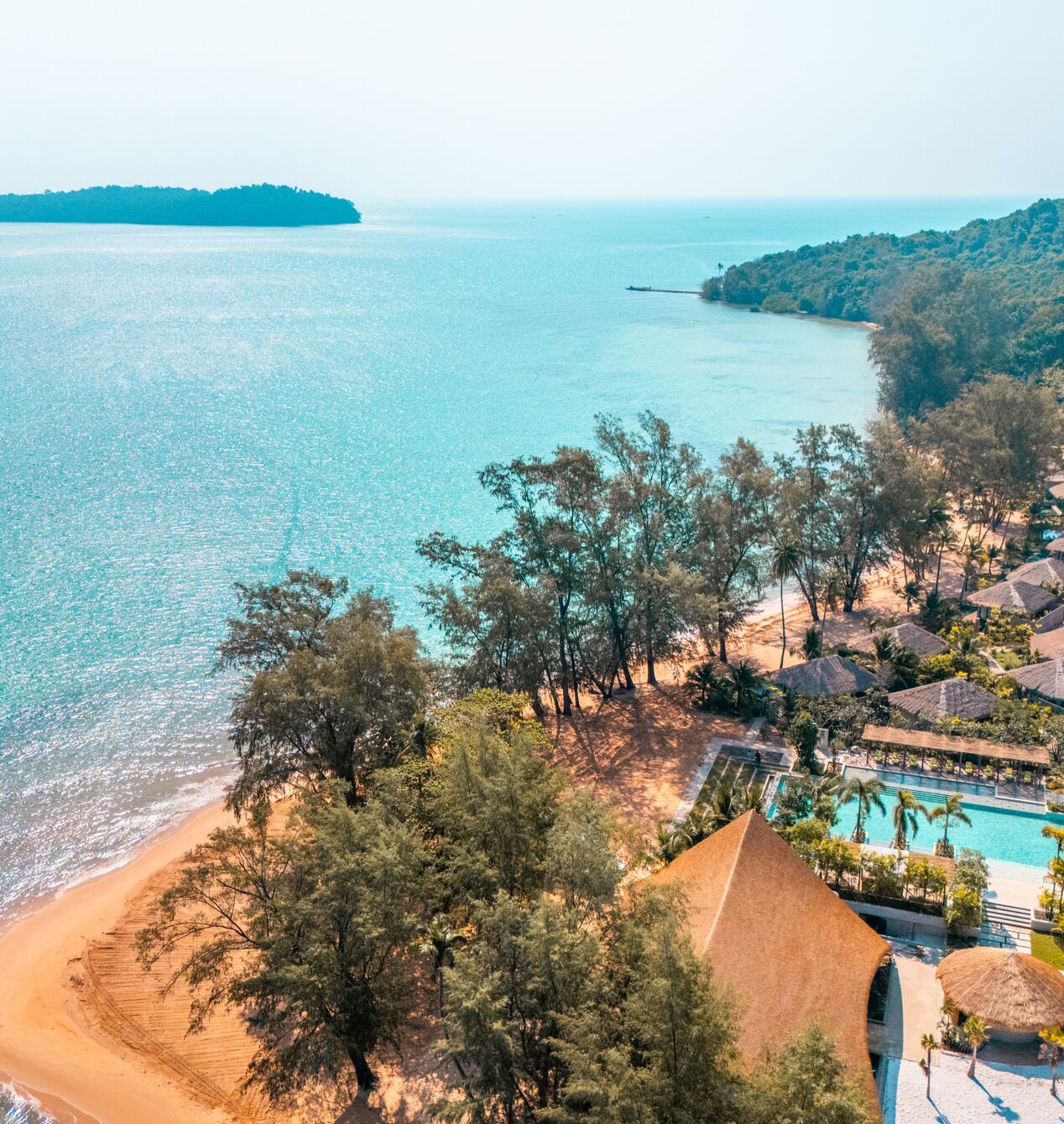
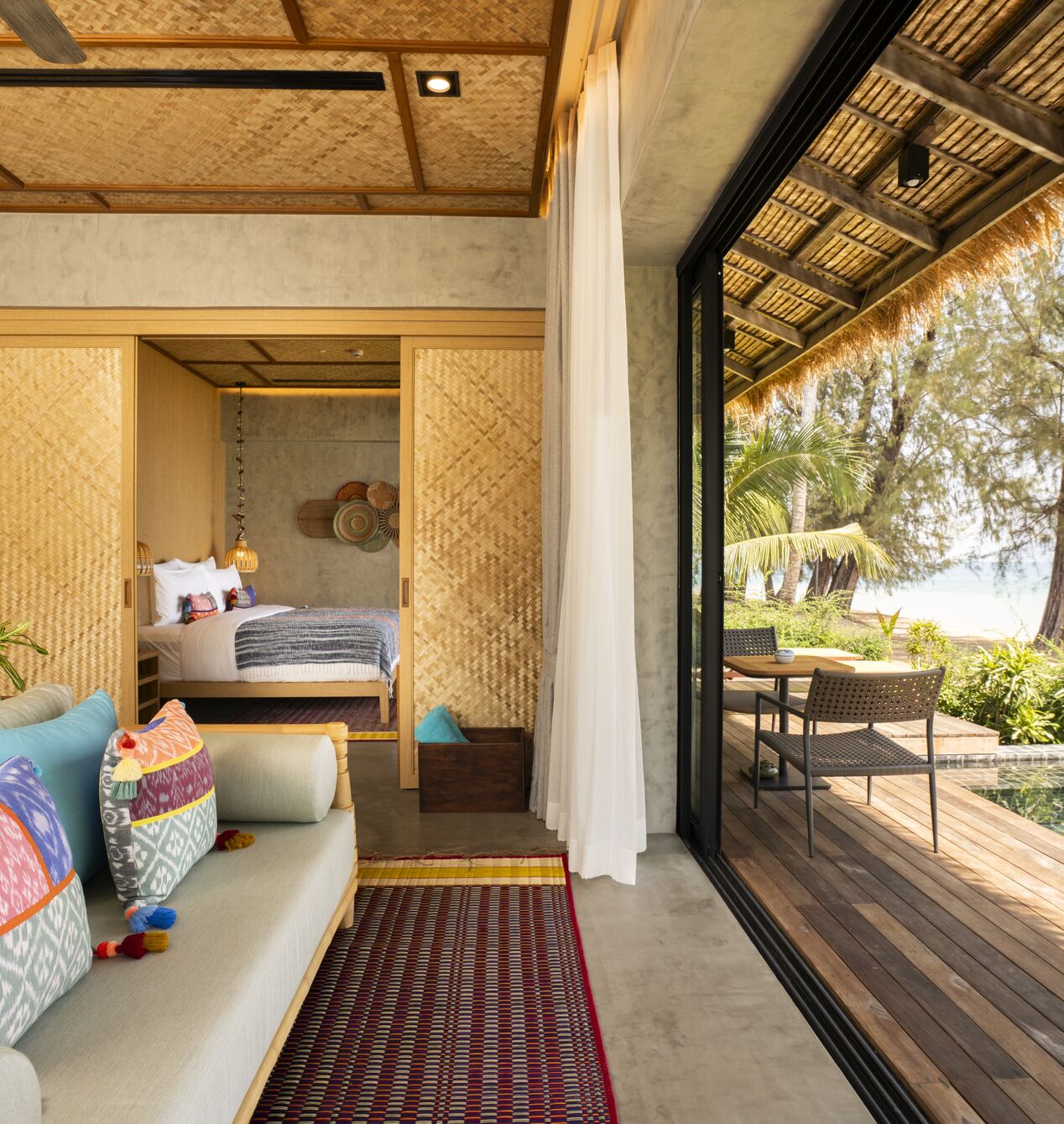
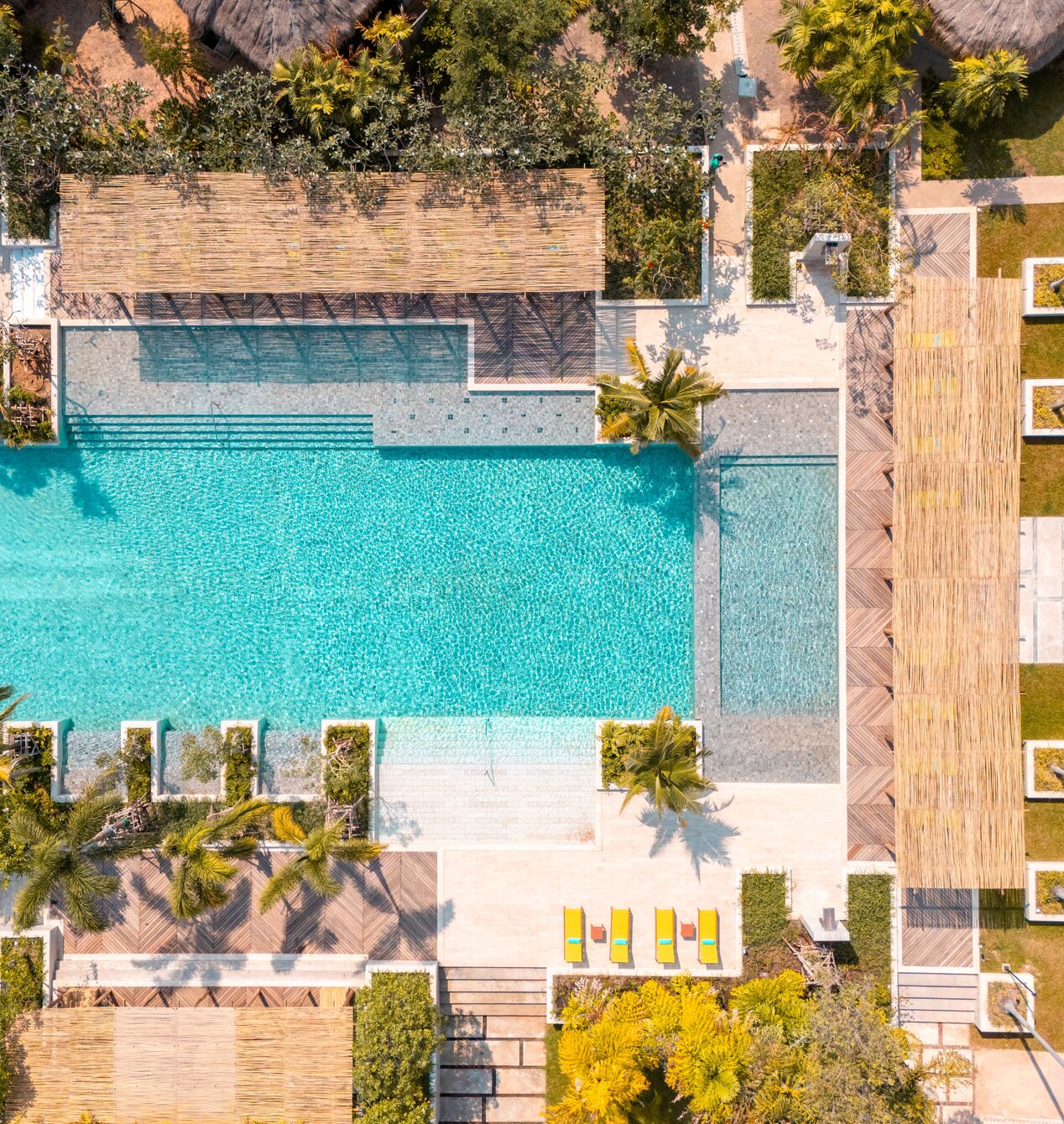
Far south, where the Cambodian coastline kisses the open sea, JATI Koh Russey listens closely to the lessons of Tonle Sap. Just as the great lake sustains life through rhythm and renewal, JATI has crafted its own dialogue with water—one that honors purity, purpose, and presence. Beneath the island’s sandy skin, crystal-clear groundwater is drawn up and purified through an advanced reverse osmosis system, turning nature’s gift into clean, drinkable clarity. Every sip speaks of care—of technology used not to dominate, but to harmonize. And while Tonle Sap pulses with the drama of monsoon tides, JATI’s waters flow with intention: in open-air rain showers, in glistening villa pools, in ice baths and herbal steams that soothe both body and soul. Water is not taken for granted here—it is cherished, shared, and returned to the earth with respect.
Flavours That Mirror the Lake
Much like Tonle Sap nourishes its people, JATI Koh Russey offers meals that echo the spirit of place—fresh, grounded, and deeply personal. Each morning, local fishermen deliver the day’s catch straight to the Beach Club, their boats tracing quiet arcs across the dawnlit sea. In the open kitchen, Chef Puthea and his team transform these gifts into plates that celebrate tradition with a gentle twist—grilled fish scented with lemongrass, prahok-infused dips, smoky seafood skewers kissed by the fire. There’s no rush here, just the sound of waves brushing the shore as you linger over lunch or a breezy sunset BBQ. It’s not just about feeding the body, but
honoring where the food comes from—each dish a bridge between Cambodia’s inland waters and the coastal soul of JATI.
From Inland Currents to Island Stillness
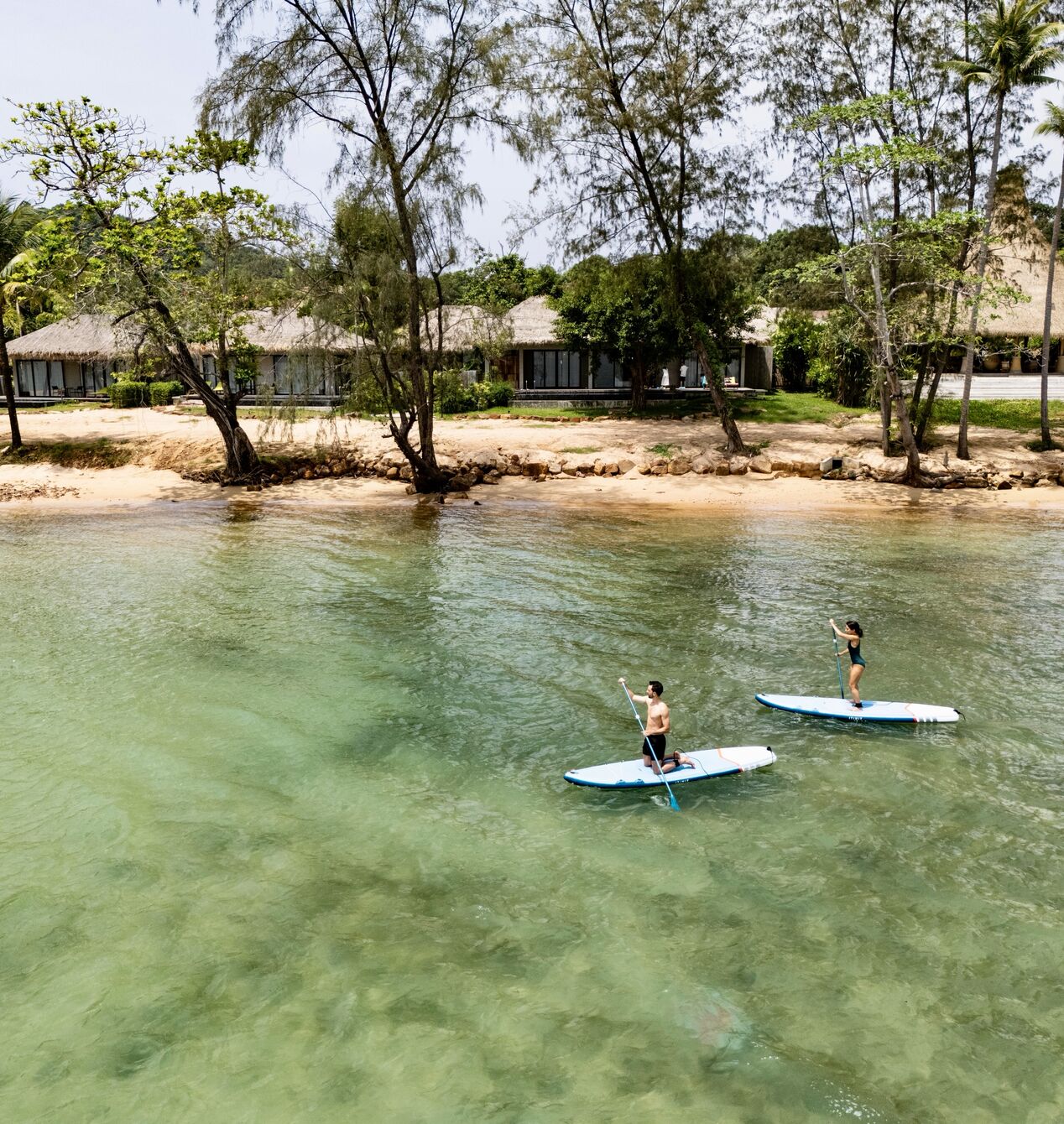
The journey from Tonle Sap to JATI is not a crossing of distance, but a soft unfolding—from the lake’s shifting energy to the quiet hush of the southern sea. Where the floating villages hum with movement, the islands cradle you in stillness. JATI Koh Russey, set among a tranquil group of isles off Cambodia’s southern coast, invites you to carry the spirit of the lake with you—the openness, the respect for rhythm, the embrace of nature as teacher. Here, you trade the paddleboat for a shaded hammock, the bustle of market boats for the gentle pull of tide along white sands. And yet, the essence remains: connection, simplicity, presence. It is a continuation of Cambodia’s story, not an escape from it—a way of staying within its soul while allowing yourself to breathe a little deeper.
A Gentle Return
In Cambodia, water is not merely seen—it is felt. It flows through stories, rituals, and memories, binding mountain to forest, lake to sea, heart to home. Tonle Sap, with its breathing tides and floating lives, reminds us that the most profound journeys are not about arrival, but about remembering. And JATI Koh Russey, nestled within a quiet cluster of southern islands, extends that remembrance with open hands. Here, after days spent wandering ancient waters and timeless villages, you are not urged to move faster or do more. Instead, you are invited to return—to yourself, to stillness, to the soft unfolding of every moment. The lake teaches impermanence. The island offers presence. And between them, a rhythm of renewal hums gently, endlessly, waiting for you to listen.
FAQs about Tonle Sap
Q1: What is Tonle Sap Lake?
A1: Tonle Sap is the largest freshwater lake in Southeast Asia, located in central Cambodia.
Q2: Why is Tonle Sap important?
A2: It provides food, water, and jobs for over a million people and supports a rich ecosystem.
Q3: Where is Tonle Sap Lake?
A3: It is in central Cambodia, near the city of Siem Reap.
Q4: What makes Tonle Sap special?
A4: The lake changes size with the seasons and is home to floating villages and rare wildlife.
Q5: Can I visit the floating villages?
A5: Yes, you can take guided boat tours to villages like Kampong Phluk or Chong Khneas.
Q6: When is the best time to visit Tonle Sap?
A6: The wet season (June to October) is best when the lake is full and the floating villages are more active.
Q7: What animals live in Tonle Sap?
A7: The lake is home to many fish, birds, and reptiles, including endangered species.
Q8: How long does a visit usually take?
A8: A boat tour usually lasts 2 to 4 hours, depending on the village and activities.
Q9: Is Tonle Sap part of any protected area?
A9: Yes, it is a UNESCO Biosphere Reserve due to its ecological importance.
Q10: Is Tonle Sap far from JATI Koh Russey?
A10: Yes, Tonle Sap is inland, while JATI is on islands off Cambodia’s southern coast. You can visit both during your trip.
Related articles
-

From Russian Market to JATI
General
A bustling Phnom Penh maze of silks, silver, spices and street food—where Cambodia’s daily life, craft and flavour come alive under tin …
-
Khmer Cuisine, Reimagined with JATI
General
Where Every Meal Tells a Story
-
Siem Reap Pub Street
General
Lanterns, Lime & Letting Go on Siem Reap Pub Street – with JATI
-

Top Things to Do in Sihanoukville
General
A Local Guide with JATI
-
Where Night Glows and Islands Breathe
General
Phnom Penh Night Market Meets JATI
-
Lanterns, Spice, and Sea
General
A lantern-lit maze of crafts, flavours, and music in Siem Reap—where Khmer tradition, street food, and night rhythms create an …